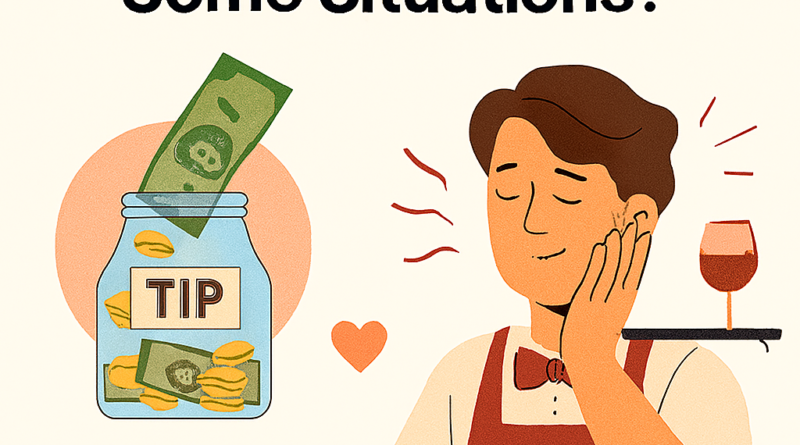
What’s the psychology behind tipping — and why do we tip more in some situations?
Tipping is driven by a mix of social norms, emotional cues, and subconscious motivations. We tip more in certain situations
Read More
Tipping is driven by a mix of social norms, emotional cues, and subconscious motivations. We tip more in certain situations
Read More
Financial stress impairs decision-making by narrowing focus, increasing impulsivity, and reducing cognitive flexibility—leading people to make short-term choices that often
Read More
Lottery winners often go broke because sudden wealth magnifies existing financial habits, attracts predatory attention, and overwhelms people who aren’t
Read More
The “pain of paying” is the emotional discomfort we feel when parting with money, and it powerfully shapes our spending
Read More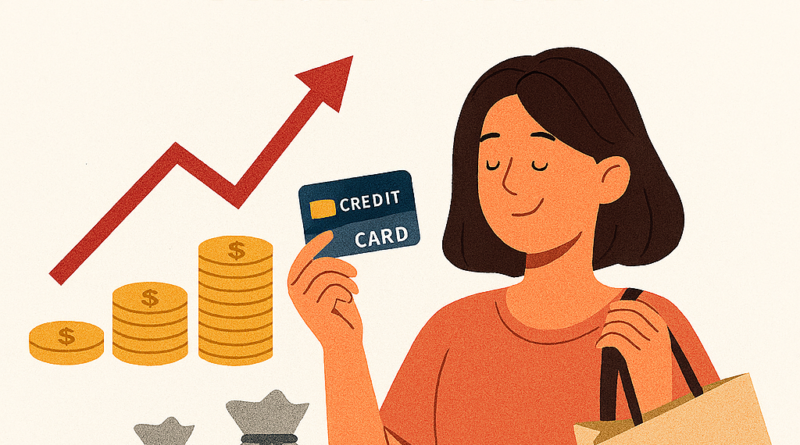
People tend to spend more with credit cards than cash because the psychological pain of parting with money is
Read More
Billionaires legally pay little to no taxes by leveraging a tax system that favors wealth over income—using strategies like borrowing
Read More
If a country refuses to pay its debt, it triggers a sovereign default—a dramatic event that can shake its
Read More
Let’s imagine a quiet morning in Zurich. A small business owner opens her banking app and sees something strange: instead
Read More
Let’s take a walk through a strange corner of the financial world—one where the rules feel upside down, where
Read More
Central banks “print” money digitally by creating electronic reserves, not physical cash. This process fuels the economy without ever
Read More