
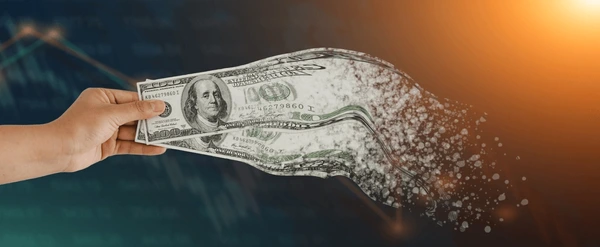
Why Everyday Life in America Feels More Expensive Than Ever in 2026
Across the United States, a quiet frustration is spreading through households, supermarkets, gas stations, and online shopping carts. It’s not the dramatic kind of crisis that explodes in headlines, but a slow, grinding pressure that Americans feel every time they swipe a card or check a receipt. Prices are not rising as fast as they did during the peak of inflation, yet life somehow feels more expensive than ever.

The strange reality of 2026 is that inflation has cooled on paper, but not in the places where it matters most. Groceries remain stubbornly high, with basic items like bread, eggs, and chicken costing far more than they did just a few years ago. Rent has become a monthly battle for millions, especially in cities where wages haven’t kept up. Even small pleasures — a coffee, a movie ticket, a weekend meal out — now feel like luxuries instead of routine moments.
For many Americans, the problem isn’t just the price of things. It’s the feeling that their money no longer stretches the way it used to. Paychecks disappear faster. Savings grow slower. And every unexpected expense — a car repair, a medical bill, a school fee — hits harder than before. The financial cushion that once protected families has thinned, leaving people more exposed to even minor shocks.
This tension is reshaping daily life. Parents are cutting back on after‑school activities. Young adults are delaying milestones like buying a home or starting a family. Retirees are returning to part‑time work because their fixed income no longer covers the basics. The American middle class, once the symbol of stability, now feels fragile.
Economists call this phenomenon “sticky inflation,” but for ordinary people it’s something simpler: exhaustion. The constant mental math, the trade‑offs, the quiet worry about the future — it all adds up. And while the economy may look strong in charts and reports, the lived experience tells a different story.
America in 2026 is a country trying to move forward while carrying the weight of years of rising costs. The question now is whether relief will finally arrive, or whether this new, more expensive reality is here to stay.