
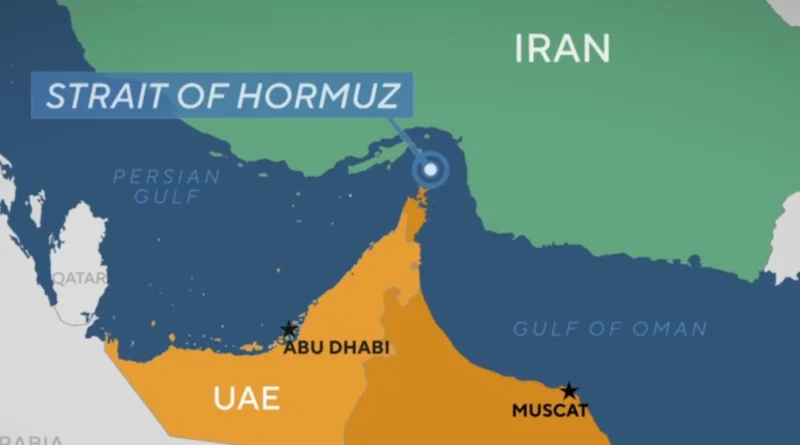
Strait of Hormuz Crisis Deepens as Iran and the United States Exchange Escalating Threats
Tensions in the Strait of Hormuz surged sharply in the past hours, as Iran and the United States traded direct threats amid a series of missile, drone, and naval confrontations that have drawn global attention and raised fears of a wider regional conflict. The United Arab Emirates reported that its air‑defense systems intercepted multiple ballistic and cruise missiles launched from Iran, while a drone strike ignited a fire at an oil facility in Fujairah, one of the country’s most strategic energy hubs.
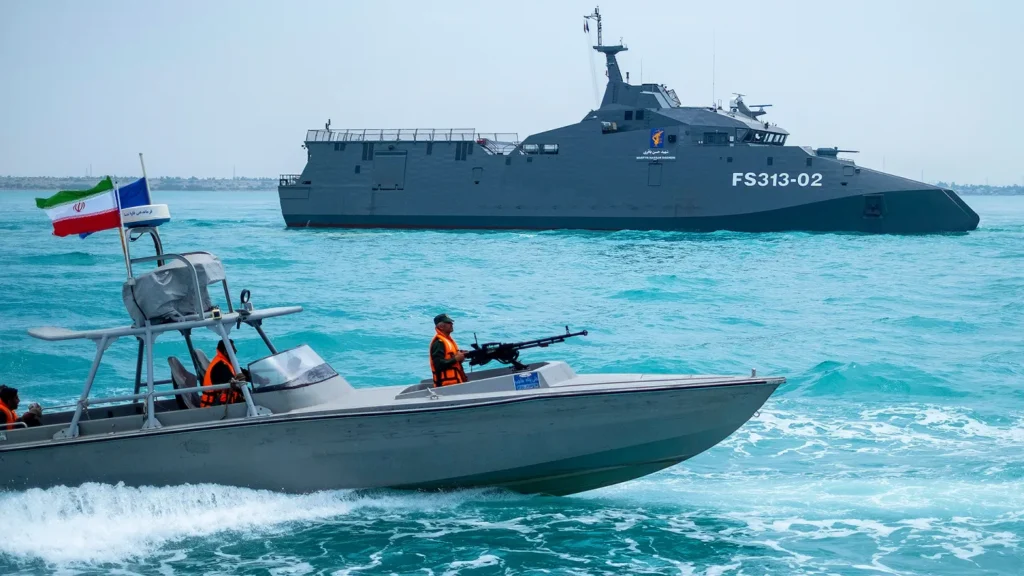
U.S. President Donald Trump warned that Iran would face severe consequences if American naval vessels were targeted, insisting that Washington’s newly launched Project Freedom aims to reopen the waterway and escort commercial ships trapped in the Gulf. According to U.S. military officials, American forces destroyed several Iranian fast boats attempting to interfere with shipping lanes, though Tehran has denied these claims.
The UAE confirmed that at least four cruise missiles were detected over its territorial waters, three of which were intercepted, while one fell into the sea. The drone attack on Fujairah triggered a fire at a major oil storage site, prompting emergency teams to contain the blaze. Regional powers including Qatar, Jordan, Saudi Arabia, Kuwait, and the European Union condemned the suspected Iranian strikes, calling them a dangerous escalation.
Iran, meanwhile, has accused the United States of killing civilians in Hormuz and insists that there is “no military solution” to the crisis. Iranian Foreign Minister Abbas Araghchi stated that diplomatic talks—mediated in part by Pakistan—are progressing, even as hostilities continue on the ground. Tehran has also rejected U.S. claims that its naval vessels were struck by Iranian missiles, calling Washington’s narrative “fabricated.”
The U.S. Central Command reported that two American‑flagged merchant ships successfully transited the Strait under military escort, despite what officials described as a “sustained barrage” of Iranian small boats, missiles, and drones. None of the U.S. vessels were hit, according to defense sources, who said that air support and defensive systems intercepted or deterred every incoming threat.
The situation remains volatile, with oil markets reacting immediately to the instability. Brent crude prices surged above $114 per barrel as investors assessed the risk of prolonged disruption in one of the world’s most critical energy corridors.
As both sides harden their positions, international actors are urging restraint. Saudi Arabia, Germany, and the United Kingdom have all called for immediate de‑escalation and a return to diplomatic channels. For now, however, the Strait of Hormuz remains the epicenter of a rapidly evolving crisis with global implications.