
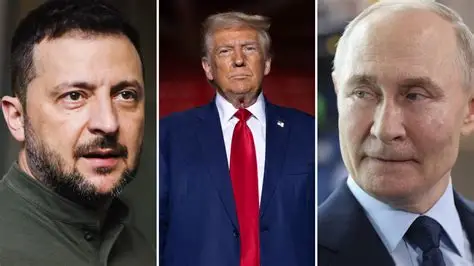
Ukraine and Russia Announce Overlapping Ceasefire Dates, Exposing Deep Diplomatic Friction
A new attempt to halt hostilities in the Russia–Ukraine war emerged in the past hours, but the initiative immediately revealed sharp political and strategic divisions. Moscow announced that a two‑day ceasefire would take place on 8 and 9 May, coinciding with Russia’s Victory Day commemorations. Kyiv, however, countered with a different proposal, declaring that a ceasefire should instead begin on 5 and 6 May, a move that underscores the lack of coordination between the two sides.
The conflicting dates highlight the fragile nature of the initiative and the absence of a unified framework. Ukrainian officials said their earlier timeline was designed to allow humanitarian corridors to operate before expected escalations later in the month. Russian authorities dismissed the Ukrainian proposal as “unilateral” and insisted that their own dates were tied to symbolic national events that Moscow considers non‑negotiable.
International observers reacted cautiously. European Union diplomats described the dual announcements as “a step forward, but not yet a breakthrough,” noting that without synchronized timelines, the ceasefire risks becoming purely symbolic. The United Nations called for a single, verifiable pause in fighting, urging both sides to align their commitments to avoid confusion on the ground.
Military analysts warn that mismatched ceasefire windows could create operational risks. If Ukrainian forces halt fire earlier than Russian units—or vice versa—frontline troops may face uncertainty about rules of engagement, increasing the possibility of accidental clashes. Previous attempts at temporary truces have collapsed within hours, often due to disagreements over monitoring mechanisms and territorial control.
Despite the diplomatic friction, humanitarian organizations welcomed any pause, however limited, as an opportunity to deliver medical supplies and evacuate civilians from contested areas. Aid groups stressed that even a short window could save lives, particularly in regions where infrastructure has been heavily damaged.
For now, the ceasefire remains a proposal divided in two: two dates, two narratives, and no shared roadmap. Whether the parties can reconcile their positions in the coming hours will determine if this initiative becomes a meaningful pause in the conflict or another missed opportunity.