
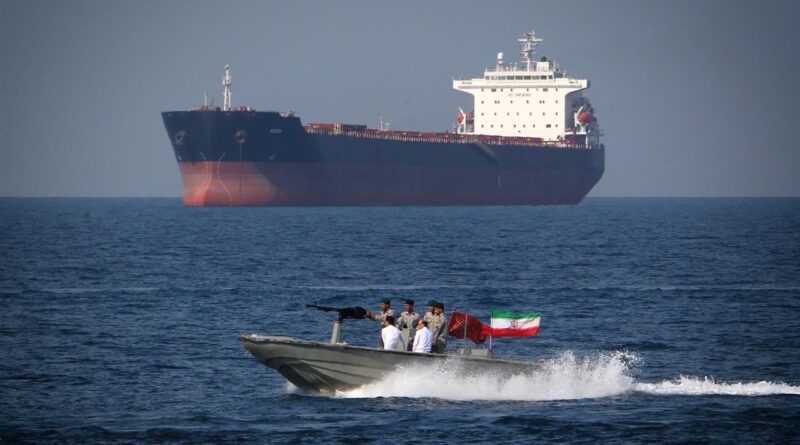
Strait of Hormuz Standoff: Rising Tensions as China Warns the U.S. Over Blockade Threats
The Strait of Hormuz has entered a new and precarious phase, shaped by a tightening U.S. naval blockade, firm warnings from Beijing, and the steady movement of Iran‑linked vessels through one of the world’s most critical maritime chokepoints. China has publicly condemned Washington’s decision to restrict access to Iranian ports, calling the measure “dangerous and irresponsible” as it risks destabilizing an already fragile regional landscape.
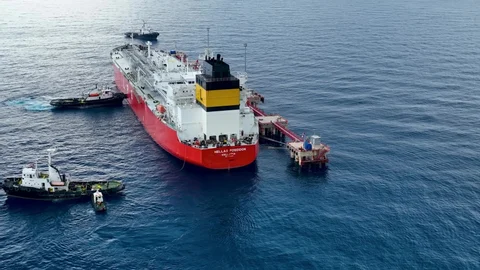
China’s Warning and Strategic Interests
Beijing’s position is rooted in both diplomacy and energy security. As the largest buyer of Iranian crude, China depends heavily on uninterrupted access to the Strait. Officials have emphasized that only a comprehensive ceasefire can prevent further escalation, rejecting accusations that China is supplying weapons to Iran and urging all parties to restore normal maritime traffic.
Chinese leaders have also stressed that the waterway must remain open to their commercial fleet, signaling that any attempt to obstruct Chinese vessels would be viewed as interference in their sovereign economic affairs. This stance reflects a broader strategic reality: the blockade threatens not only Iran but also China’s energy lifeline.
U.S. Blockade and Regional Fallout
The U.S. blockade began after peace talks with Tehran collapsed, marking a sharp escalation in a conflict that had briefly paused under a temporary ceasefire. American forces are restricting maritime traffic entering and exiting Iranian ports, a move Washington argues is necessary to pressure Tehran into reopening the strait and returning to negotiations.
The blockade has already disrupted global energy markets, with oil prices fluctuating as traders assess the risk of prolonged instability. The U.S. Navy has initiated mine‑clearing operations and is preparing alternative shipping corridors to maintain commercial flow, though the long‑term viability of such measures remains uncertain.
Iran‑Linked Ships Continue to Cross
Despite the blockade, several Iran‑linked vessels have managed to pass through the strait, testing the limits of U.S. enforcement and signaling Tehran’s determination to maintain maritime activity. These crossings highlight the complexity of the standoff: while Washington seeks to restrict Iran’s access, Tehran continues to assert its presence in the waterway.
A Global Flashpoint
The Strait of Hormuz now stands at the intersection of military pressure, energy politics, and great‑power rivalry. Analysts note that the U.S. strategy may be aimed not only at Iran but also at reshaping global energy flows in a way that forces China to reconsider its reliance on Iranian oil. This dual‑track approach adds another layer of tension to an already volatile situation.
As the standoff deepens, the risk of miscalculation grows. With China issuing direct warnings, Iran asserting its maritime rights, and the U.S. tightening its blockade, the strait has become a high‑stakes arena where global powers test each other’s resolve. The coming days will determine whether diplomacy can regain momentum—or whether the world’s most important energy corridor edges closer to crisis.