
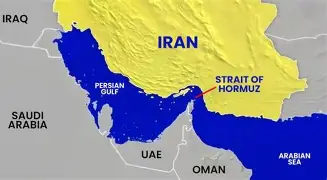
Iran Offers to Reopen the Strait of Hormuz — and the United States Says No
For weeks, the world has been holding its breath as the Strait of Hormuz — the narrow passage through which a fifth of the planet’s oil supply normally flows — remains blocked. Tankers sit stranded like silent giants, markets tremble, and governments scramble to calculate how long the global economy can withstand the pressure. And then, suddenly, Iran made an unexpected move: it offered to reopen the strait.
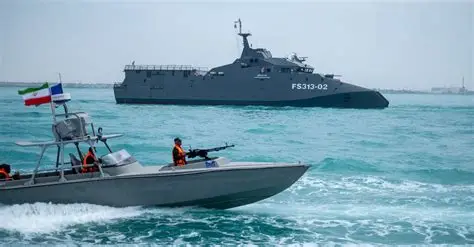
The proposal arrived quietly, almost cautiously, as if Tehran understood the weight of the moment. Reopening Hormuz would ease the shockwaves hitting fuel prices, shipping routes, and supply chains. It would calm markets already stretched thin by uncertainty. It would give the world a moment to breathe.
But Washington refused.
The United States dismissed the offer, calling it incomplete, insufficient, and strategically unacceptable. According to early reports, the White House believes Iran’s proposal comes with hidden conditions — political, military, or economic — that would shift the balance of power in the region. And in a climate already defined by mistrust, even a gesture that looks like de‑escalation can be interpreted as a trap.
The refusal sent an immediate ripple through global markets. Oil prices surged again. Shipping companies extended their emergency routes. Analysts began rewriting their forecasts for the third time in a week. And behind the numbers, a deeper question emerged: what does it mean when the world’s most critical maritime artery becomes a bargaining chip?
For Iran, the offer was a signal — a way to show that it still holds leverage, that it can tighten or loosen the world’s economic pulse with a single decision. For the United States, the refusal was equally symbolic — a declaration that it will not negotiate under pressure, not even when the global economy is at stake.
Meanwhile, the rest of the world watches the standoff with growing unease. Every day the strait remains closed, the consequences spread outward: rising fuel costs, strained supply chains, and the looming threat of a broader economic shock. The United Nations has already warned of a potential food and energy crisis if the situation continues.
And yet, beneath the tension, there is a strange sense of inevitability. The Strait of Hormuz has always been more than a shipping route. It is a fault line — a place where geography, politics, and power collide. When it closes, the world feels it. When it opens, the world depends on it. And now, caught between an offer and a refusal, the world is learning just how fragile that balance truly is.
The next move belongs to Washington and Tehran. But the consequences will belong to everyone.