
Stress, the Silent Killer
There are moments in life when the body speaks louder than the mind. Moments when a simple breath feels heavier than it should, when a tightness in the chest becomes a question you can’t ignore, when fear arrives quietly and sits beside you without asking permission.
This is the story of someone who believed stress was harmless — until the day it wrapped its fingers around his life and showed him how silent, how patient, and how dangerous it can be.
He had never imagined that stress could kill. Not him. Not someone like him, who had always carried the weight of life on his shoulders without ever breaking. Stress was something people talked about when they were tired, when they needed a pause, when they wanted sympathy. A word used too often, too lightly. A shadow that passed. A discomfort, not a danger.
Until the day it stopped being a shadow and became a presence.
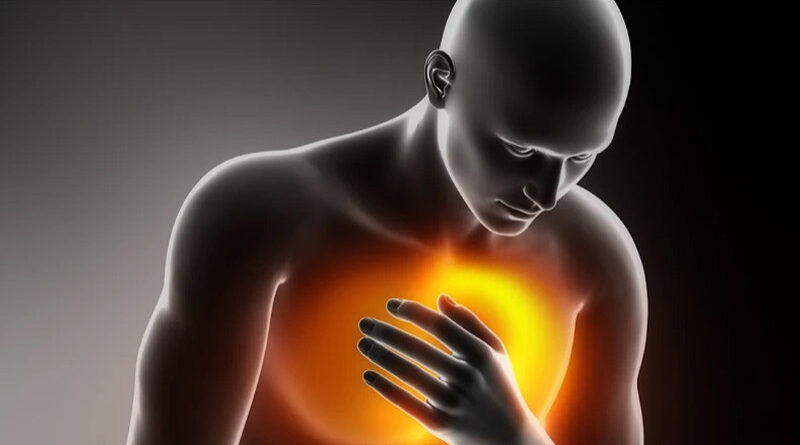
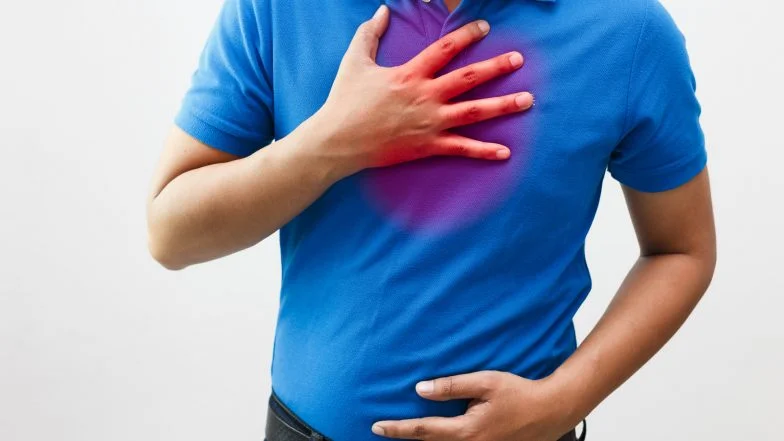
It began with a tightness in the chest, a strange pressure that lasted only a few minutes. He dismissed it immediately. Maybe he had slept wrong. Maybe he had lifted something heavy. Maybe it was nothing. But the body has its own language, and when the mind refuses to listen, the body speaks louder.
The second time, the pain spread to his back. A slow, cold pressure, like a hand pushing from inside the ribcage. He paused for a moment, confused. It wasn’t sharp, it wasn’t unbearable, but it was… wrong. Something he had never felt before. He took a deep breath, waited, and eventually it faded. Life continued. Work continued. Responsibilities continued. And he continued with them.
But something inside him had changed.
He began to notice small things: his breath becoming shorter without reason, his shoulders constantly tense, his sleep lighter, his thoughts heavier. He felt tired even after resting. He felt pressure even when nothing was happening. He felt a weight inside his chest that wasn’t pain, but wasn’t peace either.
He didn’t call it stress. He didn’t call it anything. He simply kept going.
Until one morning, the pain returned with a clarity that left no room for doubt. A tightness that wrapped around his chest like a belt pulled one notch too far. A sensation that traveled to his back, to his jaw, to his breath. For the first time in his life, he felt fear — real fear — the kind that makes your hands cold and your thoughts sharp.
“What if this is my heart?” “What if this is how it ends?” “What if I ignored the signs for too long?”
He went to the emergency room with the silent terror of someone who suddenly realizes he is not invincible. Machines, monitors, blood tests, ECGs, doctors moving with calm precision. He lay there, waiting for the verdict, feeling the weight of every heartbeat.
And then the results came.
His heart was fine. His blood was fine. His lungs were fine. Everything was fine.
Except him.
Because the pain was real. The fear was real. The tightness was real. And the doctor’s words were the first truth he had heard in months:
“Stress can mimic a heart attack. And if ignored for too long, it can contribute to one.”
He felt something collapse inside him — not physically, but emotionally. A belief he had always carried: that strength meant enduring everything, that stress was just part of life, that pushing through was the only way forward.
But stress is not a feeling. Stress is a force.
It changes the body from the inside. It raises blood pressure. It accelerates the heartbeat. It inflames the arteries. It disrupts sleep. It tightens muscles until they feel like iron. It steals breath. It steals clarity. It steals life, one millimeter at a time.
He learned that heart attacks don’t always come from dramatic moments. Sometimes they come from years of silent pressure. From nights spent awake. From responsibilities carried alone. From the belief that you must never stop, never rest, never show weakness.
Stress is a silent killer because it hides behind everything you ignore.
He realized that the pain in his chest wasn’t a sign of death — it was a sign of life. A warning. A message from a body that had been carrying too much for too long. A reminder that survival is not the same as living.
He walked out of the hospital with a strange mix of relief and clarity. Relief, because his heart was still strong. Clarity, because he finally understood that nothing — absolutely nothing — is worth more than his health.
Stress didn’t kill him. But ignoring it almost did.
And that was the day he decided to stop surviving and start living again. Because the silent killer is not stress itself — it’s believing that you can carry everything without listening to your own body.