
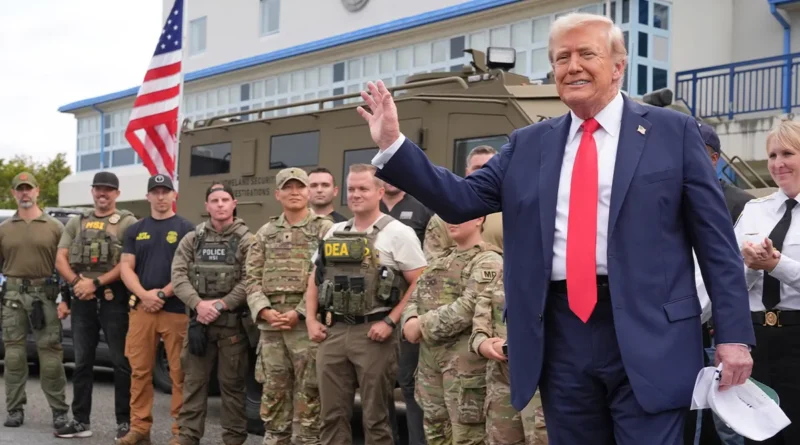
Trump threatens to withdraw U.S. troops from Italy and Spain
The statement arrived with the abrupt clarity that often marks moments of geopolitical tension. Speaking to reporters before boarding Marine One, President Donald Trump said the United States would “probably” withdraw its military contingents from Italy and Spain, accusing both NATO allies of failing to support Washington in the ongoing conflict with Iran. His words echoed across European capitals within minutes, triggering concern, disbelief, and a sense of déjà vu in a continent already shaken by months of instability.
Trump framed the issue as a matter of loyalty and burden‑sharing. According to his remarks, the United States has “carried the weight of this war alone,” while European partners have “benefited from American protection without offering anything meaningful in return.” The reference was clearly aimed at the naval and air operations launched by Washington after the escalation in the Persian Gulf, operations that have reshaped global energy markets and forced NATO into a delicate balancing act.
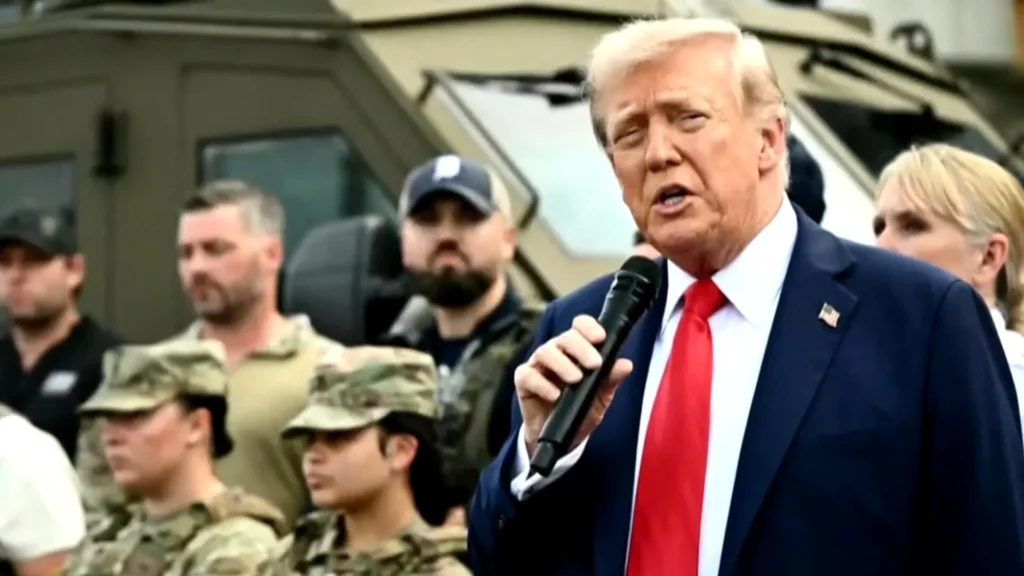
In Rome and Madrid, the reaction was immediate but cautious. Italian officials stressed that cooperation with the United States remains “solid and essential,” while Spanish diplomats expressed “surprise” at the tone of the President’s comments. Behind the official statements, however, the prospect of a sudden American withdrawal raises concrete strategic questions. Italy hosts key U.S. bases such as Aviano and Sigonella, hubs that have long served as logistical anchors for operations across the Mediterranean, North Africa, and the Middle East. Spain, with its naval facilities in Rota, plays a similar role for Atlantic and European missions.
Analysts in Washington noted that Trump’s threat may be part of a broader pressure campaign aimed at securing political backing for the conflict with Iran. Yet the timing is significant. The war has entered a phase where the United States must decide whether to escalate, negotiate, or attempt a controlled disengagement. In this context, the loyalty of allies becomes a symbolic and strategic asset — and a potential bargaining chip.
European leaders, meanwhile, are navigating a fragile landscape. Public opinion in several countries remains skeptical of deeper involvement in the Iran conflict, and governments are wary of being drawn into a confrontation they did not initiate. At the same time, the possibility of losing U.S. military support exposes the structural vulnerabilities of Europe’s defense architecture, still heavily dependent on American capabilities despite years of debate about “strategic autonomy.”
For now, Trump’s statement remains a threat rather than a formal order. But in a geopolitical climate where words can shift alliances and unsettle markets, the message is unmistakable. The United States is demanding visible support, and Europe is being forced to choose how far it is willing to go — and what it risks if it hesitates.