
The Silent Hunger: How Southern Lebanon Slipped Into the Edge of Famine
The hunger arrived quietly, long before anyone dared to name it. It crept through the broken villages of southern Lebanon the way dust settles after an explosion — slowly, invisibly, until it becomes part of the air itself. In towns where the sound of artillery has become a second heartbeat, families now face a different kind of threat, one that does not roar or burn but empties the body from within. Aid workers describe it as a “slow collapse,” a humanitarian unraveling that has accelerated with every new clash between Hezbollah and Israeli forces. Today, according to the latest assessments, one in four Lebanese in the south is at risk of acute hunger, a statistic that feels almost abstract until you see what it means in the eyes of the people living it.
In the hills around Bint Jbeil, mothers have begun skipping meals so their children can eat. Bakeries that once filled the streets with the smell of warm bread now open only a few hours a day, if at all, their shelves half‑empty, their flour supplies dwindling. Farmers who used to rely on the fertile soil of the south have abandoned their fields, not because the land has failed them, but because the front line has swallowed their orchards and olive groves. The war has turned agriculture into a gamble with death, and no harvest is worth the risk of a drone strike.
The roads that connect the south to Beirut have become unpredictable corridors, sometimes open, sometimes blocked, always dangerous. Humanitarian convoys move cautiously, their progress slowed by checkpoints, damaged bridges, and the constant threat of renewed fighting. Even when aid reaches the region, it is never enough. Lebanon’s economic collapse — a crisis that began long before the current escalation — has stripped families of their savings, their salaries, their sense of stability. Prices rise weekly, sometimes daily, and the cost of basic food staples has become unbearable for households already living on the edge.
In Tyre’s overcrowded clinics, doctors speak of a new wave of malnutrition cases, especially among children. They describe weakened immune systems, stunted growth, and the quiet lethargy that signals a body running out of reserves. These are not scenes from a distant famine in a forgotten corner of the world; they are unfolding just a few kilometers from the Mediterranean coast, in a country that once prided itself on its resilience and cultural richness. Lebanon has endured wars, political paralysis, and economic freefall, but hunger carries a different kind of weight — it erodes dignity, hope, and the very fabric of community.
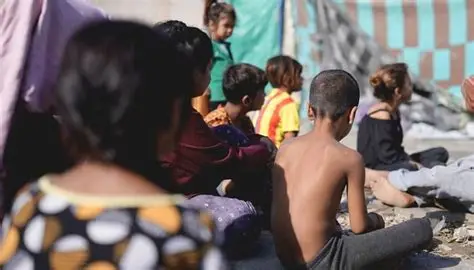
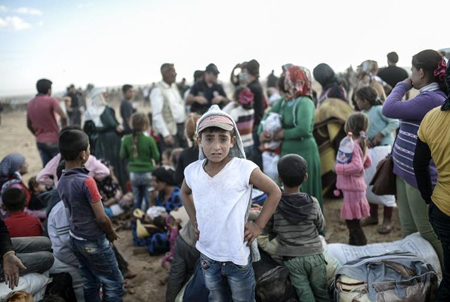
The conflict has also displaced tens of thousands of families, pushing them into makeshift shelters or the homes of relatives already struggling to survive. In these crowded spaces, food becomes a shared calculation, a daily negotiation between what is available and what must be sacrificed. International organizations warn that the situation is deteriorating faster than their ability to respond. Funding is limited, access is inconsistent, and the scale of need grows with every passing week.
What makes this crisis particularly devastating is its invisibility. Bombings make headlines; hunger does not. The world sees the smoke rising from the border, the shattered buildings, the political statements traded between capitals. But it rarely sees the grandmother boiling water to trick her stomach into feeling full, or the father who walks miles to find a pharmacy that still has baby formula, or the teenager who has stopped dreaming of university because survival has become the only goal.
Southern Lebanon stands today at a crossroads where conflict and deprivation intersect, creating a humanitarian emergency that deepens in silence. The risk is not only that hunger will spread, but that it will become normalized, another layer of suffering in a country already burdened by crisis. For the families living through it, the question is no longer when the fighting will stop, but whether they will have enough to endure the days that follow.
In the end, hunger is not just the absence of food; it is the absence of security, of stability, of the basic conditions that allow a society to breathe. And in southern Lebanon, that breath is growing thinner by the day.