
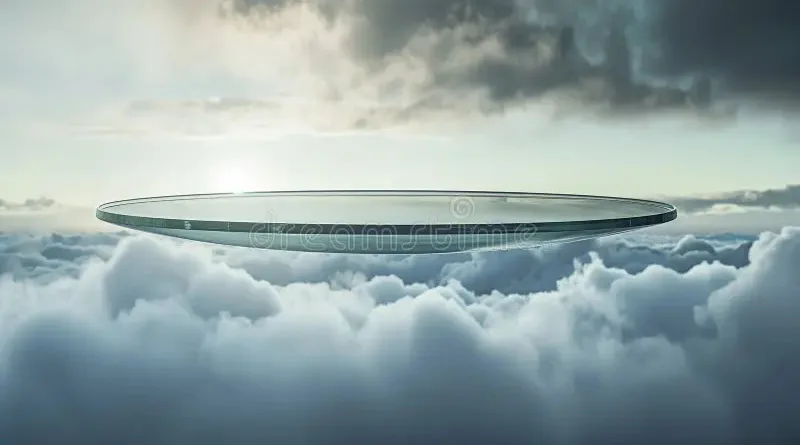
The Light Beneath the Clouds: How High‑Altitude Solar Platforms Could Redefine the Future of Clean Energy
Above the clouds, where sunlight never fades, a new generation of clean‑energy technology is quietly rewriting the future.
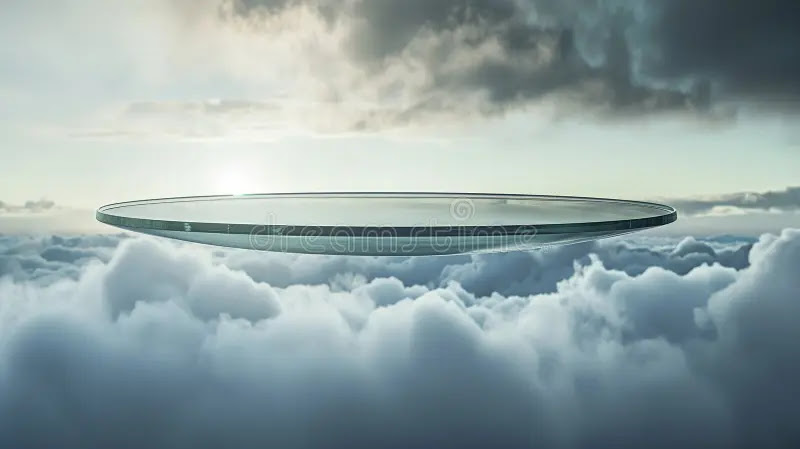
There are places on Earth where sunlight never truly fades. Above the clouds, above the storms, above the shifting moods of weather, the sky is a constant ocean of light. For decades, scientists have dreamed of capturing that uninterrupted energy — not from rooftops or deserts, but from the thin, bright air where the atmosphere becomes transparent and the sun burns with unfiltered intensity.
Today, that dream is no longer a fantasy. A new generation of high‑altitude solar platforms is rising into the stratosphere, promising a revolution that could reshape the global energy landscape. These platforms are not satellites, and not airplanes. They are something in between: silent, lightweight, self‑sustaining structures that float or glide at altitudes where sunlight is nearly continuous and energy production becomes astonishingly efficient.
The idea is deceptively simple. If clouds block solar panels on Earth, then move the panels above the clouds. If night interrupts production, then fly where night barely exists. If land is scarce, expensive, or politically contested, then remove land from the equation entirely. What emerges is a new vision of clean energy — one that does not depend on geography, climate, or terrain, but on the open sky itself.
The first prototypes look like giant wings made of ultralight materials, covered in thin‑film photovoltaic cells capable of capturing sunlight from multiple angles. They drift or circle slowly, powered by the very energy they collect. Some are tethered to the ground by nearly invisible cables, sending electricity directly into the grid. Others operate freely, storing energy in advanced batteries or converting it into microwaves or lasers that can be beamed safely to receiving stations on Earth.
The implications are profound. A single high‑altitude platform could generate more energy than an entire field of ground‑based solar panels. A fleet of them could power entire regions, providing clean electricity day and night, unaffected by storms, seasons, or the limitations of land. For remote communities, islands, and developing nations, this technology could bypass the need for massive infrastructure and deliver renewable power directly from the sky.
But the most transformative aspect is not the technology itself — it is the shift in perspective. Clean energy is no longer tied to the ground. It is no longer constrained by borders or landscapes. It becomes something fluid, mobile, and universal.
This shift mirrors other silent revolutions happening across the world. Engineers are already turning oceans into power plants, designing ships that run on seawater and leave no carbon trace behind. Cities are learning to harvest their own wind, transforming rooftops and skyscrapers into vertical generators that reshape the urban skyline. In this evolving ecosystem of innovation, the sky becomes the next frontier — a space not for exploration alone, but for energy.
A natural connection emerges here with the breakthroughs described in Floating Solar Farms: Clean Energy Without Competing for Land, where the challenge of limited space is overcome by reimagining where energy can be produced. High‑altitude solar platforms extend that same logic upward, into the vastness above us, where sunlight is pure and constant.
As these platforms evolve, they may one day form a global network — a shimmering archipelago of light suspended in the stratosphere, feeding clean power into every corner of the planet. They will not be visible from the ground. They will not cast shadows. They will simply exist, quietly transforming sunlight into the electricity that sustains our lives.
The future of clean energy may not be built on land or sea alone. It may be built in the sky, where the light never fades and the possibilities are as wide as the horizon.