
Ebola outbreak Congo: Death Toll Surpasses 200 as Regional Spread Risk Intensifies
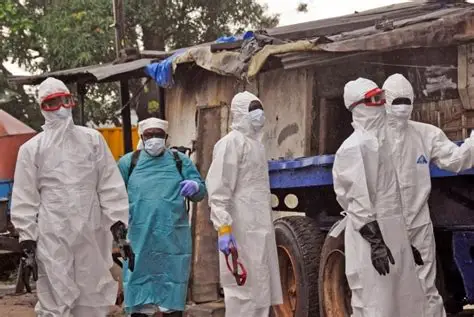
Ebola outbreak Congo has entered a critical phase as the death toll surpasses 200 and health authorities warn that the virus could spread beyond national borders into at least ten neighboring countries. The situation in the affected provinces is deteriorating rapidly, with medical teams struggling to contain new chains of transmission while communities face growing fear and uncertainty.
The Ebola crisis unfolding in the Democratic Republic of Congo has entered a dangerous new phase, with more than 200 confirmed deaths and health officials warning that the virus could spill across borders into at least ten neighboring countries. What began as a localized outbreak in remote forested areas has rapidly evolved into one of the most alarming public‑health emergencies Central Africa has faced in years, reigniting fears of a regional epidemic reminiscent of the catastrophic 2014–2016 West Africa crisis.
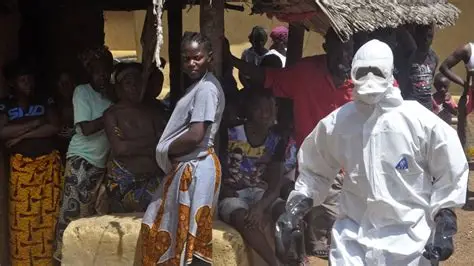
In the affected provinces of North Kivu and Ituri, medical teams describe a landscape of exhaustion and urgency. Treatment centers are operating at full capacity, while mobile response units struggle to reach isolated villages where suspected cases continue to emerge. The Bundibugyo strain identified in this outbreak is known for its aggressive progression and high fatality rate, complicating containment efforts and placing extraordinary pressure on frontline workers.
International agencies are now sounding the alarm. The World Health Organization has warned that population movements, porous borders, and limited surveillance capacity in surrounding nations create a perfect storm for cross‑border transmission. Uganda, Rwanda, South Sudan, Burundi, Tanzania, Angola, Zambia, the Republic of Congo, and the Central African Republic have all activated emergency screening protocols at airports and land crossings. Health ministries across the region are racing to deploy thermal scanners, isolation units, and rapid‑response teams in anticipation of potential imported cases.
Inside Congo, the situation is further strained by misinformation, fear, and community resistance. Some villages have refused entry to medical teams, while others have dismantled temporary treatment structures out of distrust. Humanitarian organizations report that these social barriers are now as dangerous as the virus itself, slowing contact tracing and allowing chains of transmission to remain hidden. In several districts, burial teams have been attacked, forcing authorities to request additional security support to ensure safe handling of victims — a critical step in preventing further spread.
Despite the challenges, there are glimmers of resilience. Local health workers, many of whom have lived through previous outbreaks, are leading community‑education campaigns to counter rumors and encourage early reporting of symptoms. International partners, including Médecins Sans Frontières and the Africa CDC, have deployed additional personnel and supplies. Experimental antiviral treatments and updated vaccination strategies are being used to protect high‑risk groups, though logistical hurdles continue to limit their reach.
As the death toll climbs and new hotspots emerge, the world is once again confronted with the fragility of global health security. The coming weeks will be decisive. If containment efforts succeed, the outbreak may remain confined to its current epicenter. If they falter, Central Africa could face a regional emergency with far‑reaching humanitarian and economic consequences.
For now, the message from health authorities is clear: vigilance, rapid response, and international coordination are essential. The virus is moving quickly — and the window to stop it is narrowing.