
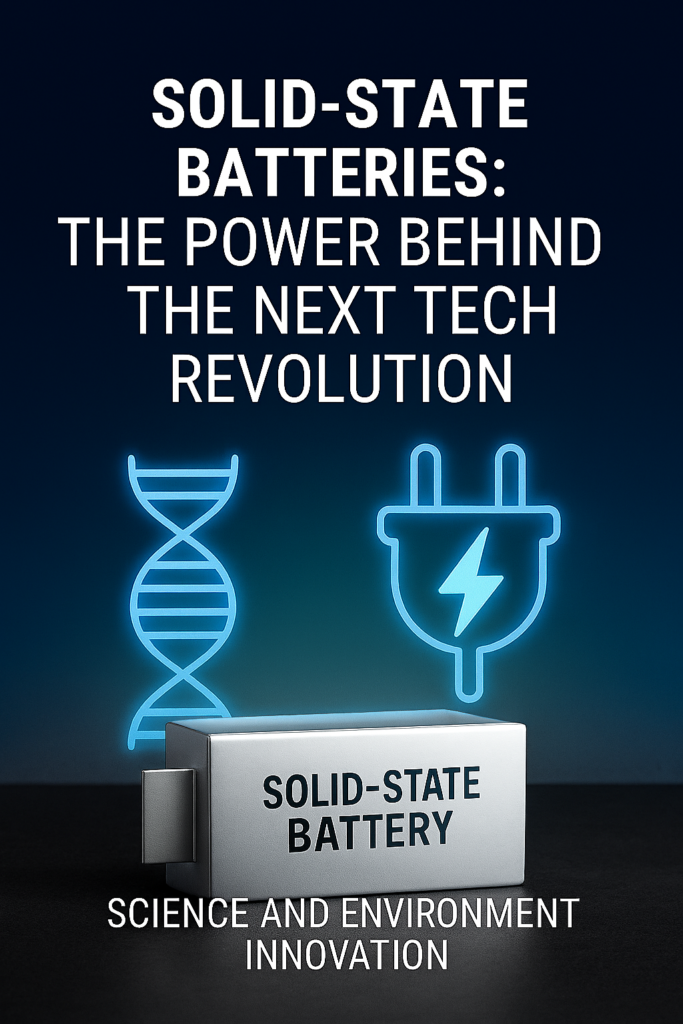
Solid-State Batteries: The Power Behind the Next Tech Revolution
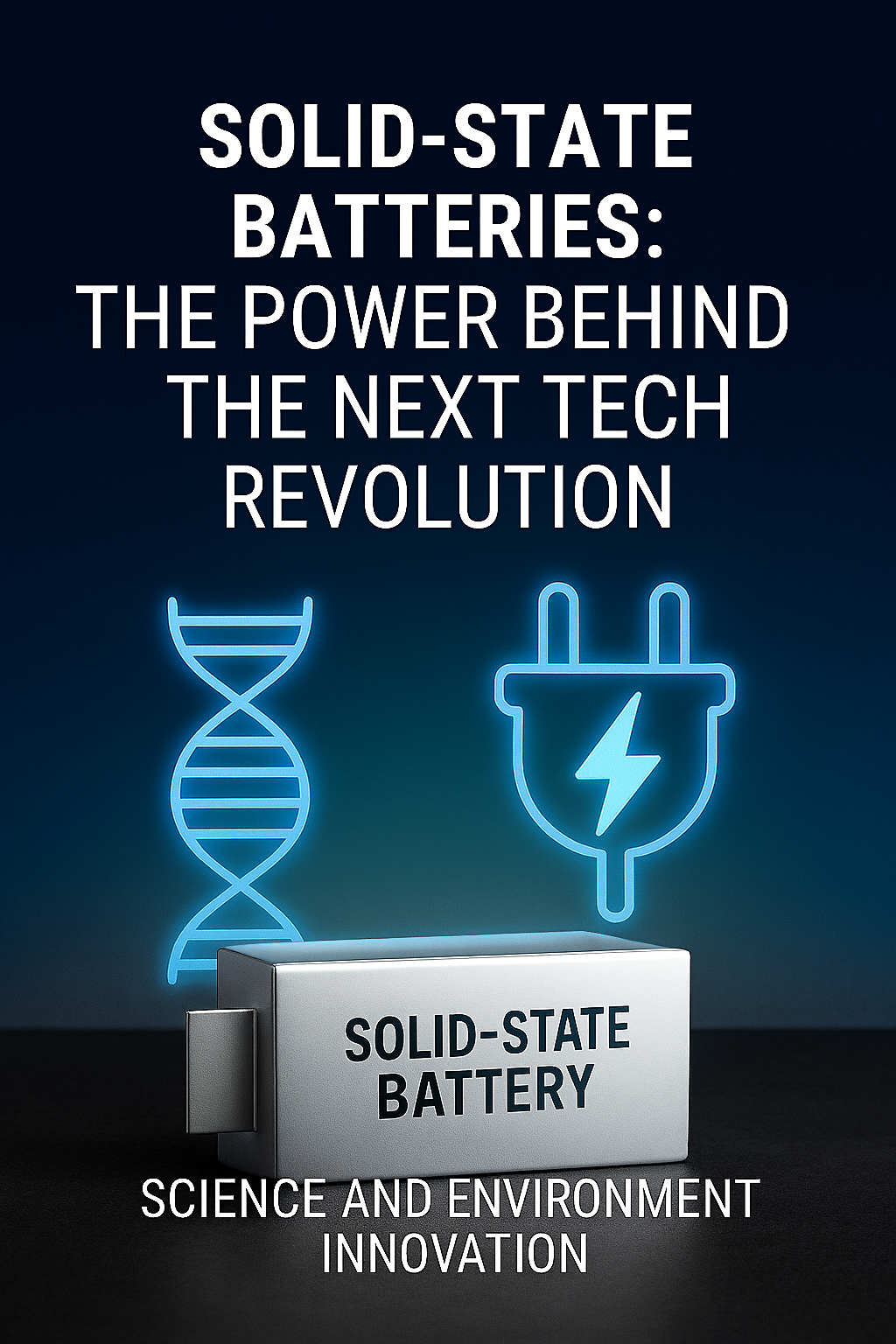
It doesn’t hum. It doesn’t leak. It doesn’t catch fire. It just works — quietly, efficiently, and with a promise to reshape everything from smartphones to space travel.
This is the rise of solid-state batteries. And while they may look like ordinary power cells, they represent one of the most important shifts in energy technology since the invention of lithium-ion.
The Problem with Today’s Batteries
Lithium-ion batteries have powered the digital age. They’re in our phones, laptops, electric vehicles, and even satellites. But they come with flaws:
-
Flammable liquid electrolytes that pose safety risks
-
Limited energy density, meaning shorter battery life
-
Slow charging times and degradation over cycles
In short, they’re good — but not good enough for the future we’re building.
What Makes Solid-State Different?
Solid-state batteries replace the liquid electrolyte with a solid material — often ceramic, glass, or a polymer. This simple shift unlocks a cascade of benefits:
-
Higher energy density: More power in less space
-
Faster charging: Minutes instead of hours
-
Improved safety: No leaks, no fires
-
Longer lifespan: Fewer cycles, more durability
It’s not just an upgrade. It’s a reimagining of how energy is stored and delivered.
From EVs to Aerospace
The implications are massive:
-
Electric vehicles (EVs) could travel twice as far on a single charge.
-
Smartphones might last days instead of hours.
-
Drones and satellites could operate longer and more reliably.
-
Even grid storage could become more efficient, helping stabilize renewable energy.
Companies like Toyota, QuantumScape, and Solid Power are racing to bring solid-state batteries to market — with prototypes already showing promising results.
Energy storage is the backbone of modern life. As we shift toward renewables, electrify transportation, and digitize everything, we need batteries that are:
-
Safe
-
Efficient
-
Scalable
-
Sustainable
Solid-state batteries check every box. They could reduce our reliance on rare metals, cut down on waste, and make clean energy more practical.
Challenges remain. Manufacturing solid-state batteries at scale is complex and expensive. Materials must be refined. Supply chains must adapt. But the momentum is real — and the stakes are high.
In the next five years, solid-state batteries could move from labs to living rooms, powering the next generation of devices, vehicles, and infrastructure.