
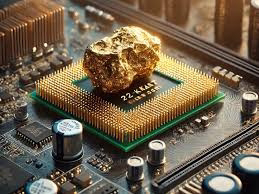
Hidden Wealth in Your Home: The Household Appliance Containing 22-Carat Gold

Gold has always been a symbol of wealth and prosperity, but what if I told you that traces of this precious metal might be hiding in an ordinary appliance sitting in your home?
While most people associate gold with jewelry, coins, or luxury electronics, certain household devices contain gold components that could hold surprising value.
The Secret Gold Inside Everyday Electronics
Modern appliances and electronic devices often contain small amounts of gold, primarily used for conductivity in circuit boards and electrical connections.
Gold’s resistance to corrosion and superior conductivity make it a preferred material in high-performance electronics, ensuring stable and reliable connections.
One of the most surprising household items that contains gold is the **washing machine**. Inside many washing machine control panels, gold-plated connectors and circuit boards help regulate electronic functions.
These tiny amounts may not make you an overnight millionaire, but they are valuable in large quantities, especially when recycled from outdated or broken appliances.
Why Gold Is Used in Electronics
Gold is non-reactive, meaning it does not tarnish or degrade over time like copper or silver.
This property is crucial in appliances that require durable, long-lasting electrical connections.
Gold-plated components ensure consistent performance, minimizing the risk of electrical failure due to corrosion or wear.
This is why high-end electronics—including smartphones, computers, and even microwaves—often integrate gold connectors.
While the quantity of gold inside each device may be small, the total amount used across millions of appliances adds up to significant hidden wealth.
Extracting Gold from Household Devices
Recovering gold from electronics requires specialized techniques. Gold extraction is typically performed by professional recyclers who use chemical processes to separate the metal from circuit boards and connectors.
While DIY methods exist, they can be hazardous due to the chemicals involved, making professional recycling the safest approach.
Many companies offer electronic recycling services, collecting old or damaged appliances to retrieve valuable materials.
If you have outdated household electronics that no longer work, recycling them might not only be an environmentally responsible choice but also a way to reclaim a portion of their hidden value.
The Growing Market for Electronic Recycling
With the rise of electronic waste, gold recovery has become an increasingly profitable industry. Many electronic recycling facilities extract gold from appliances, computers, and mobile phones, repurposing the metal for new devices or industrial use.
Some collectors even trade recovered gold, taking advantage of its consistent market demand.
As technology advances, more appliances integrate sophisticated electronic components, increasing their potential gold content.
While an individual washing machine may only contain a small fraction of gold, the cumulative value across millions of machines worldwide makes electronic recycling an industry worth paying attention to.
The Treasure Hunt Inside Your Home
While you may not strike gold in your kitchen or laundry room, knowing that precious metals are hidden inside common appliances adds a fascinating dimension to everyday technology.
Whether it’s a washing machine, a smartphone, or a laptop, these devices quietly hold traces of gold, waiting to be discovered through recycling efforts.
So next time you’re upgrading your appliances or disposing of old electronics, remember—they might contain a bit more value than you think.
Hidden inside the machines we use daily is a small but significant piece of treasure that keeps modern technology running smoothly.