
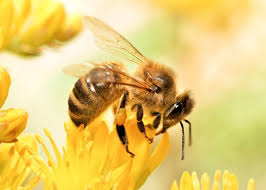
The Sleep of Bees: A Surprisingly Human Experience

When thinking of sleep, most people picture humans and mammals resting in comfort, eyes closed, dreaming away the night.
But what if I told you that bees—those tiny, hardworking creatures—experience sleep in a way that is eerily similar to our own?
The sleep patterns of bees reveal fascinating insights into their intelligence, memory, and the vital role of rest in their highly structured lives.
Do Bees Really Sleep?
Yes, bees sleep. While often overlooked, sleep is just as essential to these winged workers as it is to any other living organism.
In fact, honeybees exhibit clear signs of sleep cycles that closely resemble those of higher animals. Researchers have observed that resting bees become motionless, lower their antennae, and remain in a dormant state for extended periods.
But unlike humans, who typically sleep for hours at a time, bees rest in shorter, scattered intervals throughout the day and night. Their sleep behavior varies depending on their role in the hive—worker bees tend to sleep in protected areas inside the hive, while foragers sometimes nap outside, gripping onto flowers or branches.
The Importance of Sleep for Bees
Just like humans, bees need sleep to function efficiently. Studies have shown that bees deprived of rest exhibit memory lapses, reduced problem-solving skills, and impaired communication.
Sleep is crucial for their ability to perform complex tasks such as navigating long distances, remembering flower locations, and executing the waggle dance—a method bees use to communicate food sources to their hive-mates.
Without adequate sleep, bees struggle to maintain their highly organized behaviors, making them less effective in gathering nectar and supporting the colony.
Scientists believe this cognitive decline is linked to how sleep influences memory consolidation in the insect brain, much like in humans.
Sleep Cycles and Social Order
Interestingly, a bee’s sleep behavior is influenced by its social status and responsibilities within the hive. Worker bees—particularly younger ones—rest in the hive’s sheltered areas, while older foragers take short naps in exposed locations.
This difference in sleep patterns may be related to their energy demands. Since foragers need sharp memory and navigational accuracy to find food, sleep plays an essential role in ensuring their cognitive abilities remain intact.
There is also evidence suggesting that sleep-deprived bees become less social, mirroring behavioral changes seen in tired humans.
A fatigued bee is less likely to participate in hive activities or communicate effectively, which can impact the overall efficiency of the colony.
Dreaming Bees?
One of the most fascinating questions in bee sleep research is whether bees dream. While there is no definitive proof, some scientists speculate that their brain activity during rest might include memory replay—similar to how humans experience dreams.
Since bees rely heavily on learned patterns and locations, it is possible that their brains reinforce memories while they sleep.
In fact, research on other insects suggests that sleep plays a role in memory processing. If bees experience something akin to dreaming, it would further highlight the complexity of their tiny yet powerful brains.
Sleep in the Animal Kingdom
The sleep habits of bees remind us that rest is a universal need, affecting creatures of all shapes and sizes.
While it may seem strange that such small insects require sleep, their need for rest aligns them more closely with humans than we might have imagined.
So next time you see a bee resting on a flower, consider the possibility that it might be recharging—just like us. In the grand scheme of nature, sleep binds all living creatures in a shared rhythm, reinforcing the vital role of rest in sustaining life’s intricate dance.