
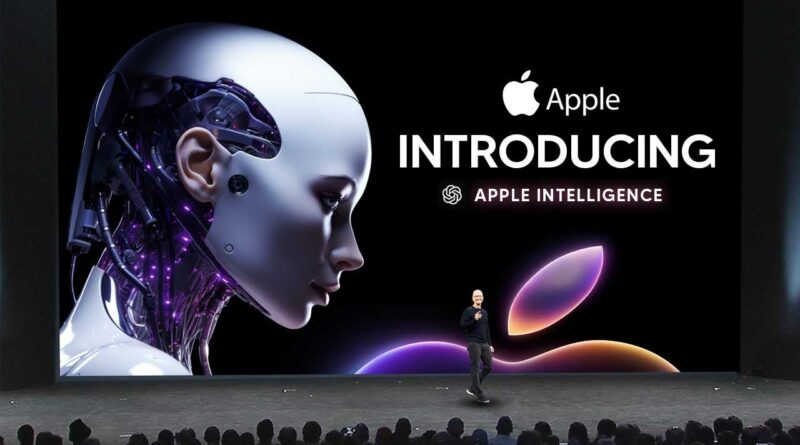
Apple Intelligence on‑device AI is quietly transforming the iPhone experience
Apple Intelligence on‑device AI marks one of the most important shifts in Apple’s modern strategy, even if it doesn’t arrive with the noise of a major keynote or the shock of a surprise announcement. It is a transformation that unfolds in the background, reshaping the iPhone into a device where intelligence is not outsourced to distant servers but lives directly inside the hardware. This shift is redefining how the iPhone interprets, enhances, and understands the content created by its users, and it signals the beginning of a new era in personal technology.
At the center of this evolution is Apple’s commitment to processing intelligence directly on the device. Apple Intelligence on‑device AI ensures that photos, videos, messages, and personal data never leave the iPhone unless the user explicitly chooses to share them. This approach prioritizes privacy, speed, and reliability, and it stands in contrast to the cloud‑dependent strategies adopted by many competitors. The iPhone becomes a self‑contained intelligence engine, capable of performing tasks that once required powerful servers or professional software.
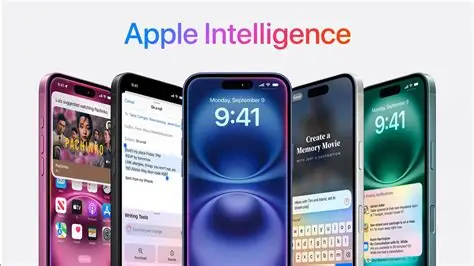
The impact is especially visible in the Photos app. Recent versions of iOS introduce enhancements that allow the iPhone to recognize subjects, separate foreground and background, interpret lighting conditions, and suggest improvements with a level of precision that previously demanded desktop tools. These capabilities are not generative illusions; they are intelligent enhancements powered by Apple Intelligence on‑device AI, designed to elevate the original photo without altering its authenticity. Users can remove distractions, balance colors, recover shadow detail, and improve facial clarity, all in real time and without an internet connection.
Apple has confirmed that updated Core ML models now work more efficiently with Core Image, enabling adjustments that feel more natural and less destructive. This synergy reflects Apple’s philosophy: technology should amplify creativity, not replace it. The iPhone becomes a partner in the creative process, offering subtle guidance rather than imposing automated decisions. Apple Intelligence on‑device AI is not about generating artificial scenes; it is about understanding real ones.
This shift extends beyond photography. Apple is refining the entire system to make the iPhone faster and more stable, even under demanding conditions. Performance improvements introduced in recent iOS releases make the device more responsive, especially when battery life is low. A clear example is the evolution of Low Power Mode, which now feels smoother and less restrictive than in the past. I explored this in detail in another article, which you can read here: iOS 27 Low Power Mode gives your iPhone new speed and stability when the battery runs low. The connection is clear: Apple’s system‑wide optimizations support the growing demands of on‑device intelligence.
The arrival of the new Siri further illustrates this direction. Completely redesigned to leverage Apple Intelligence on‑device AI, Siri now responds with more natural language, handles multi‑step requests, and understands context with far greater accuracy. It is no longer just a voice interface but a unified intelligence layer that connects every part of the device. Siri becomes more helpful not because it sends more data to the cloud, but because it processes more information locally, privately, and instantly.
Looking ahead, Apple has already indicated that these capabilities will continue to evolve through future software updates. This is not speculation but a roadmap the company has openly acknowledged. More efficient models, deeper semantic understanding, and more advanced editing tools are all part of the next phase. The iPhone is shifting from a device that executes commands to one that interprets, suggests, and collaborates. Apple Intelligence on‑device AI is the foundation of this transformation.
What makes this revolution unique is its subtlety. Apple is not trying to overwhelm users with flashy AI features or generative gimmicks. Instead, it is building intelligence that respects privacy, enhances creativity, and integrates seamlessly into everyday tasks. It is an AI that does not intrude but assists, that does not replace but empowers, that does not demand trust but earns it through design.
The iPhone is entering a new era, one where intelligence is not a distant service but a personal capability. And with Apple Intelligence on‑device AI, that era has already begun.