Immune System Memory: How Medicine Is Entering a New Frontier in 2026
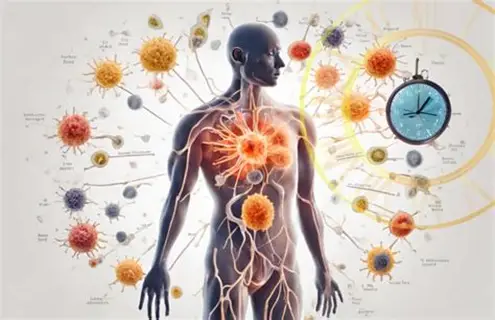
Immune system memory is emerging as one of the most transformative concepts in modern medicine, reshaping how scientists understand the body’s deepest biological strategies for survival. In 2026, this idea is no longer confined to specialized immunology conferences or theoretical discussions. It is becoming a central pillar of a new medical paradigm—one that views the immune system not as a simple defensive shield, but as a dynamic learning network capable of storing information, adapting to experience, and shaping the body’s long‑term health.
This new understanding of immune system memory is reshaping how researchers interpret the body’s long‑term biological intelligence.
For decades, the immune system was described as a reactive mechanism, a biological army trained to attack invaders and maintain internal order. But recent discoveries reveal a far more intricate reality. The immune system behaves like a distributed memory machine, archiving traces of past infections, environmental exposures, metabolic states, and even prolonged psychological stress. It does not “think” in the cognitive sense, yet it displays patterns of adaptation that resemble certain forms of biological learning.
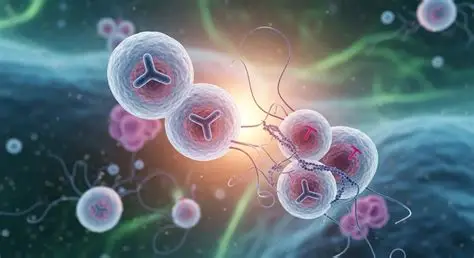
What once sounded speculative is now supported by research emerging from leading laboratories in Boston, Singapore, and Berlin. Tissue‑resident T cells, for example, have been shown to retain long‑lasting molecular signatures of previous encounters, shaping how the body responds to future threats. These cells act like sentinels with a historical record, capable of reacting faster and more precisely because they “remember” what the body has endured.
A powerful confirmation of this concept arrived in early 2026, when researchers at Cincinnati Children’s Hospital published a groundbreaking study in Cell Reports. Their work revealed that memory CD4⁺ T cells are molecularly primed to respond to familiar threats with extraordinary speed. Their DNA is already configured to activate key defense genes within hours, while naïve T cells require days to mount a comparable response.
This discovery reinforces the idea that the immune system retains a biological form of memory—an adaptive archive shaped by past encounters that allows the body to react faster, smarter, and more precisely when danger returns. It is a finding that strengthens the emerging view of the immune system as a learning network, capable of storing traces of previous challenges and using them to guide future responses.
Scientists now consider immune system memory a foundational mechanism that determines how quickly and effectively the body reacts to familiar threats.
This parallel memory system is rewriting the boundaries between immunology and neuroscience. Researchers are now exploring a field some call cognitive neuroimmunology, which investigates how the immune system and the brain share principles of adaptation, pattern recognition, and long‑term learning. The connection becomes especially evident in neurological conditions where immune activity mirrors altered brain states.
The relationship echoes themes explored in The Conscious Echo: What the Brain Experiences During a Coma, where the line between consciousness and biology becomes unexpectedly thin. The immune system, like the brain, responds to patterns, disruptions, and internal signals that shape its long‑term behavior.
In this new landscape, medicine is beginning to shift from fighting disease to retraining the body’s internal memory. Several research groups are developing therapies designed to “re‑educate” immune cells, correcting exaggerated or misdirected responses. This approach resembles the training of an artificial intelligence system: reducing false positives, refining pattern recognition, and improving the accuracy of the response.
As therapies evolve, the ability to modulate immune system memory may become one of the most powerful tools in personalized medicine.
If these therapies fulfill their promise, they could revolutionize the treatment of autoimmune diseases. Instead of suppressing the immune system broadly, future treatments may target specific memory pathways, restoring balance without compromising the body’s natural defenses. It would not mark the end of autoimmune disorders, but it could usher in a new era of precision medicine—smarter, more personalized, and far more humane.
Understanding and guiding immune system memory could redefine what healing means in the decades ahead.
As this field evolves, one idea becomes increasingly clear: health is not just equilibrium, but memory. The immune system carries the story of our biological past, shaping our present and influencing our future. And for the first time, medicine is learning how to read that story—and perhaps even rewrite it. And as researchers continue to uncover the layers of this hidden biological archive, one truth becomes increasingly evident: the story of the immune system is still being written, opening a future where healing becomes not only possible, but profoundly transformative.