
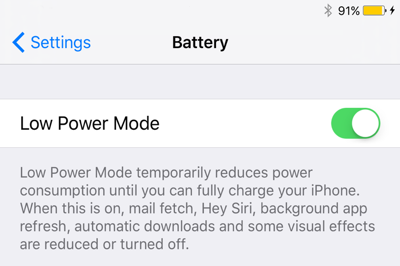
iOS 27 Low Power Mode gives your iPhone new speed and stability when the battery runs low
iOS 27 Low Power Mode is shaping up to be one of the most meaningful improvements in Apple’s latest update, even though it wasn’t highlighted with dramatic visuals or headline‑grabbing announcements. It’s a quiet upgrade, but one that users will feel every day. The feature that millions rely on when their battery dips below twenty percent now behaves differently: the iPhone stays faster, more stable, and far less restricted than in previous versions of iOS.
Apple made performance a central theme of its keynote, revealing numbers that immediately stood out. App launches can be up to thirty percent faster, new photos load up to seventy percent more quickly, and AirDrop transfers can reach speeds up to eighty percent faster. These figures were presented directly on stage, not whispered through rumor channels, and they signal a clear direction: iOS 27 is built to be quicker and more efficient at its core.
These improvements naturally extend into iOS 27 Low Power Mode, which has historically slowed the system to preserve battery life. With this update, the trade‑off becomes far less noticeable. The iPhone still conserves energy, but it does so with a more balanced approach that keeps the experience closer to normal usage.
Apple confirmed two specific enhancements: the Camera app now launches faster when Low Power Mode is active, and it consumes less energy during use. This is a meaningful change. The camera is one of the most demanding components of the system, and optimizing it improves a gesture that users perform constantly. Opening the camera to capture a moment no longer comes with that familiar hesitation that often appeared in iOS 26 when the battery was low. Instead, the iPhone responds with a sharpness that feels new.
But the improvements go beyond the camera. Early testers of iOS 27 beta 1 describe a system that feels smoother, with more consistent animations and fewer micro‑lags even when iOS 27 Low Power Mode is enabled. Scrolling through heavy apps feels more uniform, multitasking appears less strained, and transitions between screens happen with a newfound immediacy. Apple hasn’t officially listed these changes, but they emerge clearly from real‑world usage.
The experience varies depending on the device. Users with newer iPhones report a noticeable improvement, while those with older models still encounter slowdowns. This is expected: Low Power Mode reduces performance to save energy, and older hardware feels that reduction more intensely. Yet the direction is unmistakable. Apple is trying to make iOS 27 Low Power Mode less intrusive, more intelligent, and more aligned with the everyday expectations of users.
It’s also important to remember that this is only the first beta. Historically, early versions of iOS represent just the beginning of Apple’s optimization work. Throughout the beta cycle, the company fine‑tunes performance in ways that are often invisible but deeply impactful. If iOS 27 Low Power Mode already feels more efficient today, it’s reasonable to expect further refinements in the coming weeks, especially as developers update their apps to align with the new system.
iOS 27 doesn’t reinvent Low Power Mode, but it evolves it. It aligns the feature with a broader philosophy: the iPhone should remain fast, stable, and reliable even when the battery is running low. It’s a quiet change, but a meaningful one — the kind of improvement users notice without realizing why their device suddenly feels better.
If you’re testing the beta, your experience matters. Which iPhone are you using? Does iOS 27 Low Power Mode feel more responsive compared to iOS 26? Share your impressions in the comments, because real‑world feedback often reveals how an update is truly reshaping the way we use our devices.