
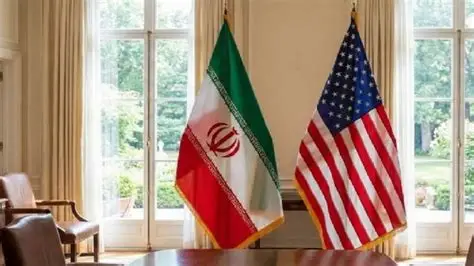
US–Iran attacks: The Fragile Line Between War and Peace in the Middle East
The latest wave of attacks exchanged between the United States and Iran across the Middle East has pushed the region back toward the edge of escalation, threatening to unravel months of diplomatic work aimed at securing a fragile ceasefire. What unfolded over the past forty‑eight hours is not an isolated flare‑up but part of a broader pattern of retaliation, signaling that both sides are struggling to keep military pressure from overwhelming political negotiations.
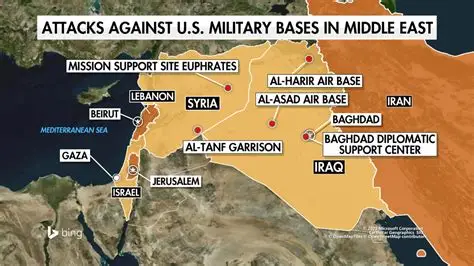
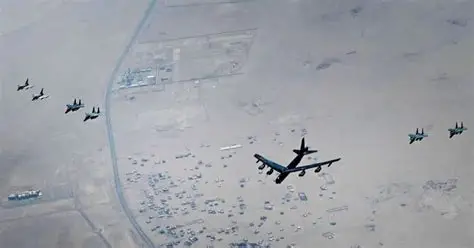
According to regional officials and international observers, the newest strikes occurred almost simultaneously in different corners of the Mideast. US forces targeted Iranian‑aligned militias operating in eastern Syria, responding to a series of drone and rocket attacks on American positions near the Euphrates corridor. Within hours, Iranian‑backed groups launched fresh assaults on US military sites in Iraq, marking yet another cycle of tit‑for‑tat violence that has become increasingly difficult to contain.
Diplomats involved in the ceasefire talks describe the situation as “extremely delicate,” noting that every new strike complicates the already narrow path toward de‑escalation. The ceasefire framework—still under negotiation—was designed to reduce hostilities between Iran‑aligned militias and US forces while opening space for broader regional dialogue. But the latest attacks have cast doubt on whether both sides can maintain enough restraint to allow diplomacy to advance.
The United States, for its part, has emphasized that its recent actions are defensive responses to persistent threats against its personnel. Military officials argue that Iranian‑aligned groups have intensified their operations in recent weeks, testing American red lines and attempting to gain leverage in ongoing negotiations. Washington insists that it remains committed to a diplomatic solution, yet the continuation of strikes reveals how difficult it is to balance deterrence with de‑escalation.
Iran, meanwhile, has accused the US of undermining the ceasefire effort through what it calls “provocative military behavior.” Iranian state media reported that the militias targeted by American strikes were engaged in “legitimate resistance” against foreign military presence in the region. Tehran’s messaging suggests that it views the US actions not as isolated defensive measures but as part of a broader strategy to pressure Iran during negotiations. This narrative fuels domestic expectations that Iran must respond forcefully, further complicating the diplomatic landscape.
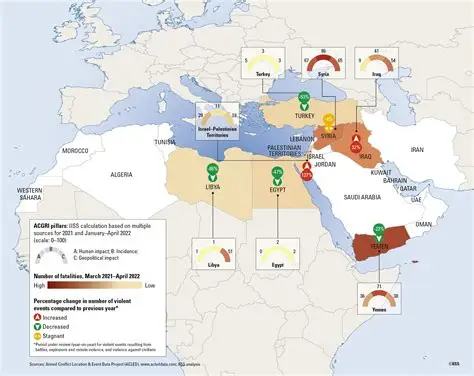
The broader regional context adds another layer of complexity. In Yemen, Lebanon, and the Gaza Strip, Iranian‑aligned groups continue to play significant roles in local conflicts, and any escalation between Washington and Tehran reverberates across these theaters. Analysts warn that even a limited exchange of strikes can trigger chain reactions, drawing in additional actors and widening the scope of confrontation. The ceasefire deal under discussion aims to prevent exactly this kind of spillover, but the latest developments show how fragile the effort remains.
Inside diplomatic circles, frustration is growing. Mediators from Qatar, Oman, and the European Union have been working for months to create a framework that both sides can accept. The plan includes phased reductions in militia activity, clearer communication channels between US and Iranian officials, and confidence‑building measures designed to prevent misunderstandings from escalating into open conflict. Yet every new attack erodes trust, making it harder for negotiators to convince either side that restraint will be reciprocated.
Despite the rising tension, there are still signs that neither Washington nor Tehran wants a full‑scale confrontation. Both governments face domestic pressures that make prolonged conflict undesirable. The United States is navigating a complex geopolitical landscape, balancing commitments in Europe and Asia while trying to avoid deeper entanglement in Middle Eastern conflicts. Iran is dealing with economic challenges and internal political debates that make stability more appealing than escalation. These factors create incentives for both sides to return to the negotiating table, even after violent setbacks.
Still, the situation remains precarious. The latest strikes demonstrate how quickly the ceasefire effort can be derailed, and how difficult it is to maintain discipline among the various armed groups operating under Iran’s influence. The coming days will be crucial: if attacks continue, the diplomatic process may collapse entirely, leaving the region vulnerable to a broader conflict. If both sides manage to pause hostilities, negotiators may still salvage the ceasefire framework and push it toward implementation.
For now, the Middle East stands at a crossroads once again. The exchange of attacks between the US and Iran is more than a military episode—it is a test of whether diplomacy can survive in a landscape shaped by mistrust, proxy warfare, and decades of unresolved tension. The world watches closely, aware that the line between war and peace has rarely been thinner.