
Iran, Bahrain, and the New Fault Line in the Gulf
In the heart of the Persian Gulf, where commercial routes intersect with some of the oldest geopolitical tensions in the Middle East, the night was torn open by an incident that could reshape the region’s fragile balance. Iran launched a series of armed drones toward targets in Bahrain, just hours after U.S. airstrikes in the Strait of Hormuz. It was a calculated, symbolic move — a direct message to Washington and its allies, a warning that military pressure would not go unanswered.
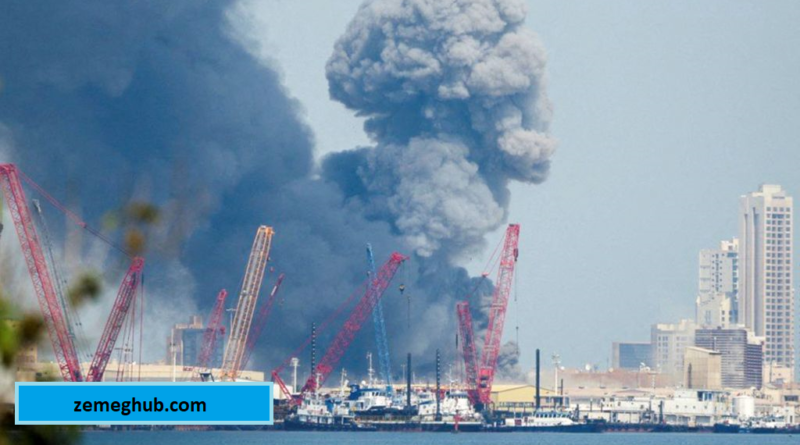
Authorities in Bahrain confirmed that at least one drone struck a military facility in the northern part of the country, causing structural damage but no casualties. Another drone detonated near a foreign‑flagged commercial vessel, raising fears that the crisis could spill over into the maritime routes that cut through the Gulf and sustain a significant portion of global oil trade.
The international reaction was immediate. Washington condemned the attack as “a direct provocation,” while Tehran described it as “a proportional response” to the U.S. raids carried out earlier in the day. Caught in the middle is Bahrain, a small nation wedged between larger powers, forced once again to manage a crisis it did not choose but cannot escape.
The broader context is one of rising tension. The Strait of Hormuz — a narrow passage through which roughly one‑fifth of the world’s oil supply flows — has become the most fragile point in global energy geopolitics. Every incident, every strike, every military maneuver has an instant impact on markets and diplomatic relations. This time, the dynamic is even more delicate: Iran wants to show it will not tolerate American pressure, while the United States aims to contain Iranian influence without triggering a direct conflict.
Bahrain, a long‑time U.S. ally and host to the U.S. Fifth Fleet, is inevitably part of the equation. For Tehran, striking Bahrain means indirectly striking at American interests without crossing the red line of a direct attack on U.S. forces. It is a strategy Iran has used before, but today it carries a different weight because the region is more polarized, more unstable, and more unpredictable than in previous years.
The next hours will be crucial. Analysts warn of a possible escalation, but also point to a narrow diplomatic window that could open if both sides decide to step back before the situation spirals. For now, what remains is the image of drones crossing the Gulf sky, ships altering their routes to avoid danger zones, and governments holding emergency meetings. It is the portrait of a Middle East that cannot find calm, a region that continues to be the hottest point in global geopolitics.