
US and Iran Sign Historic 14‑Point Memorandum to End the War and Reopen Maritime Routes
In a diplomatic breakthrough few believed possible even weeks ago, the United States and Iran have signed a historic memorandum aimed at ending the war in Iran and opening a path toward long‑term regional stability. The agreement, built around a 14‑point framework, marks the most significant shift in US‑Iran relations in decades and signals a rare moment of convergence between two nations long locked in confrontation.
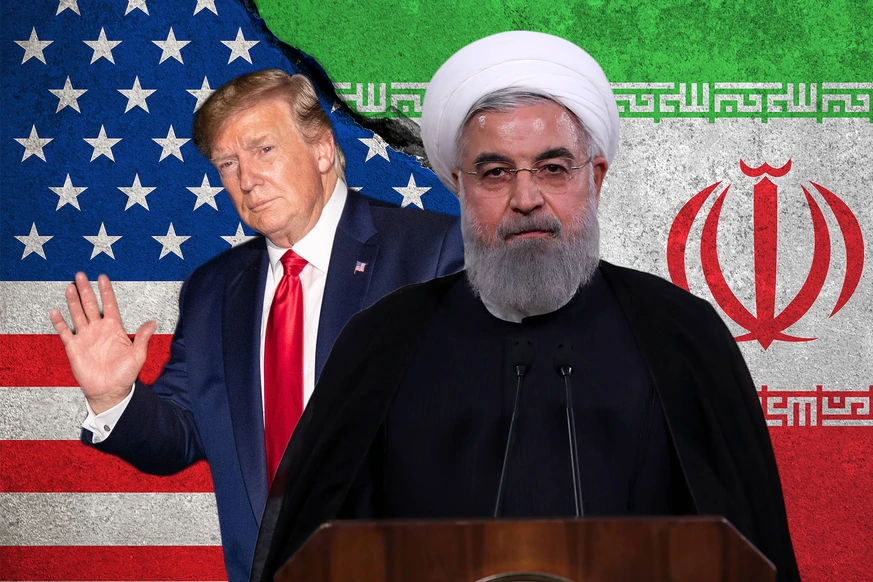
The signing took place after a series of intense, discreet negotiations mediated by neutral partners in the Gulf and supported by European observers. According to officials familiar with the talks, the memorandum represents a “structured roadmap” that combines ceasefire commitments, phased sanctions relief, and the reopening of key maritime routes that have been disrupted since the escalation of the conflict.
The centerpiece of the memorandum is an immediate nationwide ceasefire, designed to halt months of violence that have destabilized Iran internally and threatened to spill across the region. Both sides agreed to a monitored cessation of hostilities, with international observers expected to oversee compliance. The document outlines mechanisms for de‑escalation, communication channels between military commands, and a timetable for withdrawing certain forces from contested areas.
Equally significant is the section dedicated to sanctions relief. The United States has committed to a phased lifting of selected economic sanctions, contingent on Iran’s adherence to the ceasefire and its cooperation with international monitoring bodies. This marks the first time Washington has formally tied sanctions rollback to a conflict‑ending framework rather than nuclear‑related negotiations. For Iran, whose economy has been under severe pressure, the prospect of renewed access to global markets represents a critical incentive to maintain stability.
Another major pillar of the agreement is the reopening of maritime routes, including strategic corridors in the Persian Gulf and the Strait of Hormuz. These waterways, vital for global energy flows, have faced repeated disruptions during the conflict, raising fears of a broader economic shock. The memorandum establishes joint security protocols, maritime deconfliction mechanisms, and a commitment from both sides to prevent attacks on commercial vessels. International shipping companies, long wary of the region, cautiously welcomed the announcement.
Diplomatically, the memorandum signals a dramatic shift in tone. For years, Washington and Tehran have communicated largely through threats, sanctions, and proxy confrontations. The new agreement, while fragile, introduces a structured dialogue that could reshape the geopolitical landscape. Analysts note that the 14‑point framework resembles earlier conflict‑resolution models used in other regions, combining security guarantees with economic incentives and international oversight.
Reactions across the world were immediate. European leaders praised the memorandum as a “critical step toward regional stability,” while Gulf states expressed cautious optimism, emphasizing the importance of sustained implementation. Inside Iran, early reports suggest a mix of relief and skepticism, with citizens hoping the ceasefire will bring an end to violence but wary of political obstacles that could derail the process. In the United States, the administration framed the agreement as a pragmatic step to prevent further escalation and protect global economic interests.
Despite the historic nature of the memorandum, challenges remain. The ceasefire must hold, political factions on both sides must support the process, and the mechanisms for sanctions relief will require careful verification. Yet for the first time in years, the two nations have placed their signatures on a shared document outlining a path away from war.
Whether this moment becomes a turning point or a brief pause in a long‑running confrontation will depend on the coming weeks. But for now, the signing of the 14‑point memorandum stands as a rare diplomatic breakthrough — a moment when dialogue prevailed over conflict, and when the possibility of peace briefly overshadowed the logic of war.