
BREAKING — Dubai Under Siege: New Details on the Palm Explosions and the Shutdown of the International Airport
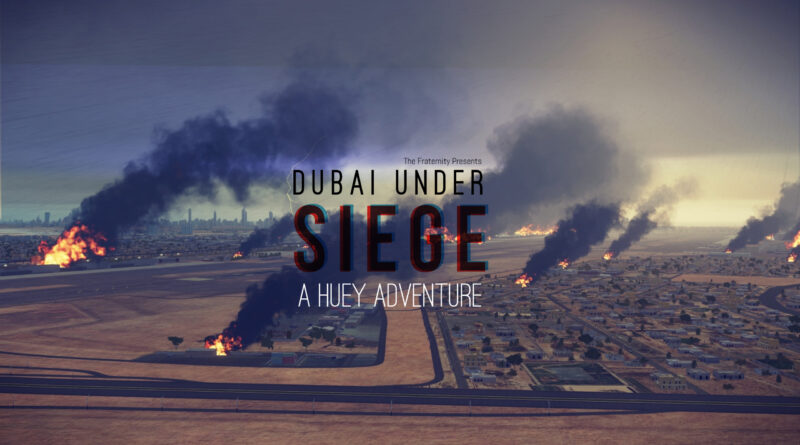
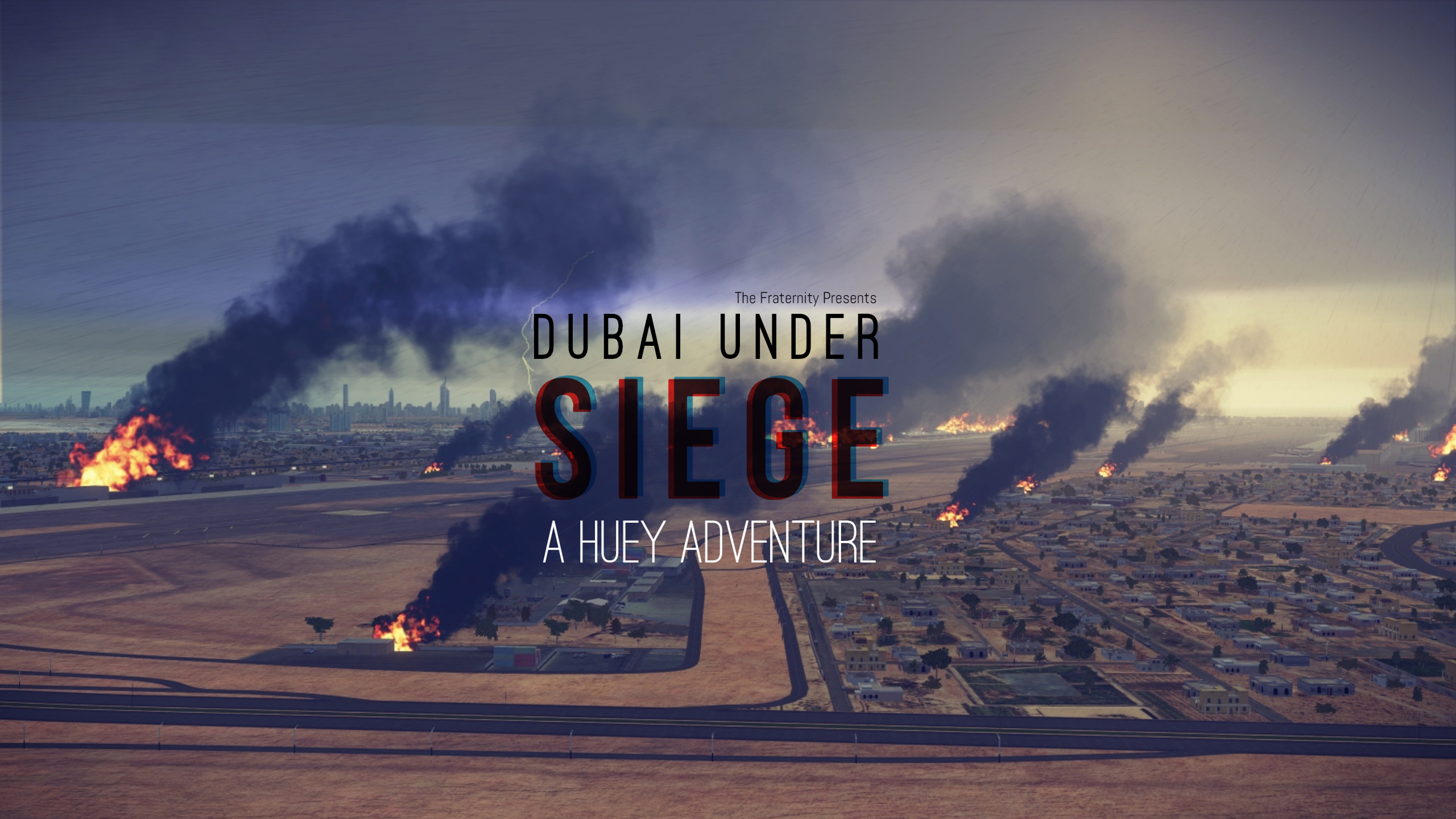
Some unconfirmed reports circulating on lesser‑known regional channels suggest that Dubai International Airport might also have been hit during the missile wave. These claims originate from unknown and unverified sources, and authorities have not confirmed any direct impact on the airport’s infrastructure. Still, the abrupt shutdown of the airspace, the diversion of multiple flights, and eyewitness descriptions of “bright streaks” over the airport area have fueled speculation that the facility could have been within the strike zone. Officials are continuing their assessments, and clearer information is expected as investigations progress.
Dubai is facing one of its most turbulent nights in recent memory. What began as a sudden explosion on the iconic Palm Jumeirah has rapidly evolved into a wider regional crisis, forcing the temporary shutdown of Dubai International Airport and leaving thousands of travelers stranded. As authorities confirm the first injuries and investigate whether a missile or intercepted fragments struck the coastline, the city finds itself confronting a vulnerability it has long believed impossible.
A missile streaking downward toward Dubai’s skyline during the Dubai under siege incident, captured against the night sky.
Dubai is living through one of the most complex nights in its recent history. The explosions that struck the Palm Jumeirah area are no longer an isolated episode: in the last few hours, the crisis has expanded to the very heart of the Emirati infrastructure, forcing authorities to temporarily close the airspace and suspend dozens of flights arriving and departing from Dubai International Airport, one of the busiest hubs in the world.
Official confirmations report four injured near the Fairmont The Palm, where a fire — now under control — fueled panic among residents and tourists. But it is the geopolitical dimension of the attack that raises the greatest concern: according to regional sources, the explosion may have been caused by an Iranian missile or by fragments of an intercepted projectile from the Emirati defense systems. For now, the distinction remains shrouded in uncertainty.
A Strike Embedded in a Larger Regional Crisis
The incident comes in the midst of Iran’s response to the joint U.S.–Israeli raid, which has already triggered tension across the Gulf. In the same hours, other cities — including Manama, Doha, and Abu Dhabi — reported suspicious aerial activity, while the UAE’s missile defense systems were activated multiple times.
Dubai, long seen as a symbol of stability and luxury, suddenly appears vulnerable. Palm Jumeirah, an architectural icon and global tourist magnet, has become the most visible point of a crisis that is reshaping the region’s balance of power.
Witnesses: “Black smoke, sirens everywhere, people running toward the beach”
Testimonies collected in the last hours describe a chaotic scene: a column of thick black smoke rising from the resort, sirens echoing along the crescent of the Palm, tourists abandoning restaurants and beach clubs in search of shelter.
Videos circulating on social media show tall flames and Civil Defense teams working to contain the fire. Authorities have urged residents to avoid the area and refrain from sharing unverified images, but the internet continues to flood with clips and eyewitness accounts.
The Airport Shutdown: Suspended Flights, Stranded Travelers, International Disruption
The situation escalated when Dubai International Airport announced the temporary suspension of operations. Airspace was closed for security reasons, with several flights diverted to Abu Dhabi and other Gulf airports.
The consequences were immediate:
-
hundreds of passengers stranded inside terminals,
-
cascading delays on European and Asian routes,
-
Italian travelers unable to return home, awaiting new instructions,
-
airlines forced to reorganize routes and schedules.
Even a short shutdown represents a heavy blow for a hub that handles over 80 million passengers a year. It is the first time in years that an external event forces Dubai to halt air traffic on such a scale.
Threats to the Burj Khalifa and Fears for Other Strategic Targets
Some regional sources report that Iran may have mentioned the Burj Khalifa among potential symbolic targets. There is no official confirmation, but the mere possibility has pushed authorities to reinforce security around major skyscrapers and shopping districts.
The city, usually vibrant and illuminated, now appears quieter, with patrols guarding tourist zones and a tension that hasn’t been felt in years.
A Night That Changes Dubai’s Global Image
The attack on the Palm and the shutdown of the airport are not just news events: they mark a turning point in Dubai’s international perception. A city that has always presented itself as an oasis of stability in the Middle East suddenly finds itself exposed, forced to confront a crisis that extends far beyond the borders of the UAE.
The next few hours will be crucial to understanding whether this is an isolated episode or the beginning of a longer phase of instability.