
U.S. Congress Budget Negotiations 2026: Washington Struggles to Break the Deadlock as Economic Pressures Mount
U.S. Congress budget negotiations 2026 have pushed Washington into another tense and uncertain day, with lawmakers still unable to reach a compromise on the new cycle of federal funding. The debate, which spans national security spending, immigration resources, and domestic economic measures, has become a symbol of the deep political divide shaping the United States in this phase of its history. As negotiations continue behind closed doors, the country watches closely, aware that the outcome will influence both the stability of the government and the daily lives of millions of Americans.
The central issue remains how to allocate federal resources in a period marked by economic contradictions. Some Republican lawmakers are calling for sharper cuts to government spending, arguing that the federal budget must be reduced to prevent long‑term fiscal risks. Democrats, on the other hand, insist on protecting social programs and expanding funding for housing affordability, a growing concern in major cities where rents have surged over the past two years. The Senate majority leader has emphasized the urgency of reaching an agreement, warning that delays could disrupt essential government operations.
The economic backdrop adds further pressure to the U.S. Congress budget negotiations 2026. Recent data from the Bureau of Labor Statistics shows that inflation has eased compared to the peaks of previous years, but the cost of living remains high for many households. Rent, groceries, and healthcare continue to strain family budgets, keeping economic anxiety at the center of public debate. The labor market remains relatively strong, though analysts note a slowdown in hiring in sectors such as logistics, retail, and manufacturing. These mixed signals create uncertainty for policymakers, who must balance fiscal responsibility with the need to support vulnerable communities.
Meanwhile, the technology sector continues to expand at a rapid pace. Major companies in Silicon Valley have announced new investments in artificial intelligence, cloud infrastructure, and automation. The White House is working on updated guidelines to regulate AI use in both public and private sectors, aiming to address concerns related to privacy, security, and workforce impact. Yet the growth of the tech industry does not offset the challenges faced by other sectors, contributing to an economy that moves at uneven speeds and fueling political disagreements over where federal resources should be directed.
The social climate reflects the political tension surrounding the U.S. Congress budget negotiations 2026. Morning talk shows dissect every development, while social media amplifies statements from political leaders, often turning them into flashpoints for public debate. The country appears divided between those who demand stronger action against rising living costs and those who fear that increased government spending could worsen the already massive federal debt. This polarization makes it even harder for lawmakers to find common ground.
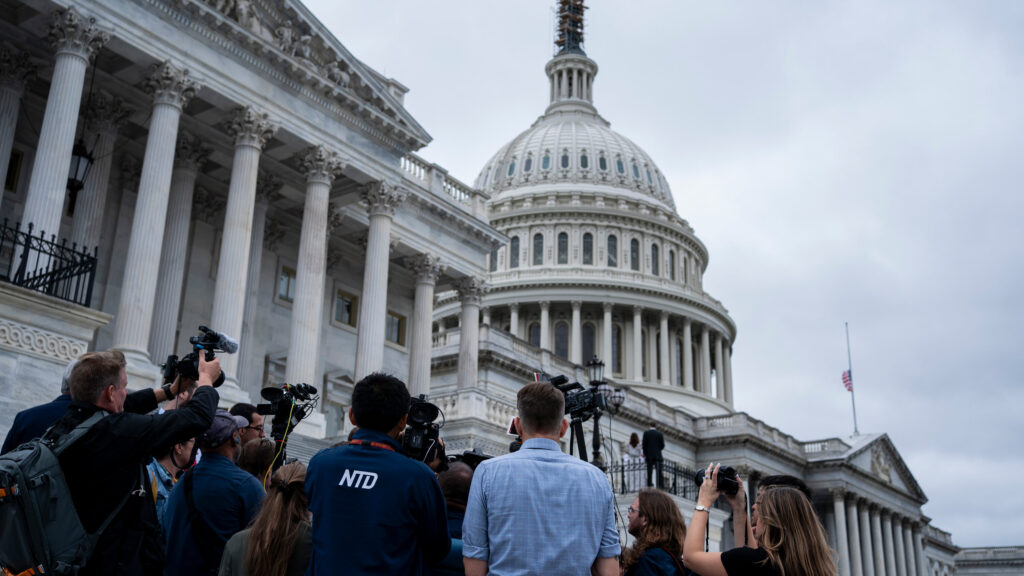
Inside the Capitol, negotiators are working to bridge the gap between competing priorities. Immigration funding remains one of the most contentious issues, with some lawmakers pushing for stricter border enforcement and others advocating for expanded humanitarian resources. National security spending is also under scrutiny, as global tensions continue to shape U.S. foreign policy. Each faction within Congress is trying to secure concessions, making the path to a final agreement increasingly complex.
The White House is monitoring the situation closely, aware that a failure to reach a deal could trigger political and economic consequences. Government agencies are preparing contingency plans in case funding delays disrupt operations, while economists warn that prolonged uncertainty could affect consumer confidence and financial markets. For the administration, the negotiations represent a critical test of leadership at a time when the country is navigating both domestic challenges and international pressures.
As the U.S. Congress budget negotiations 2026 continue, Americans remain caught between hope and frustration. The stakes are high, and the outcome will shape the nation’s economic direction for the coming year. Whether lawmakers can overcome their divisions and deliver a functional budget remains one of the most important questions facing the United States today.