
Ukrainian Drones St. Petersburg: A Sudden Strike Exposes Russia’s Hidden Vulnerability
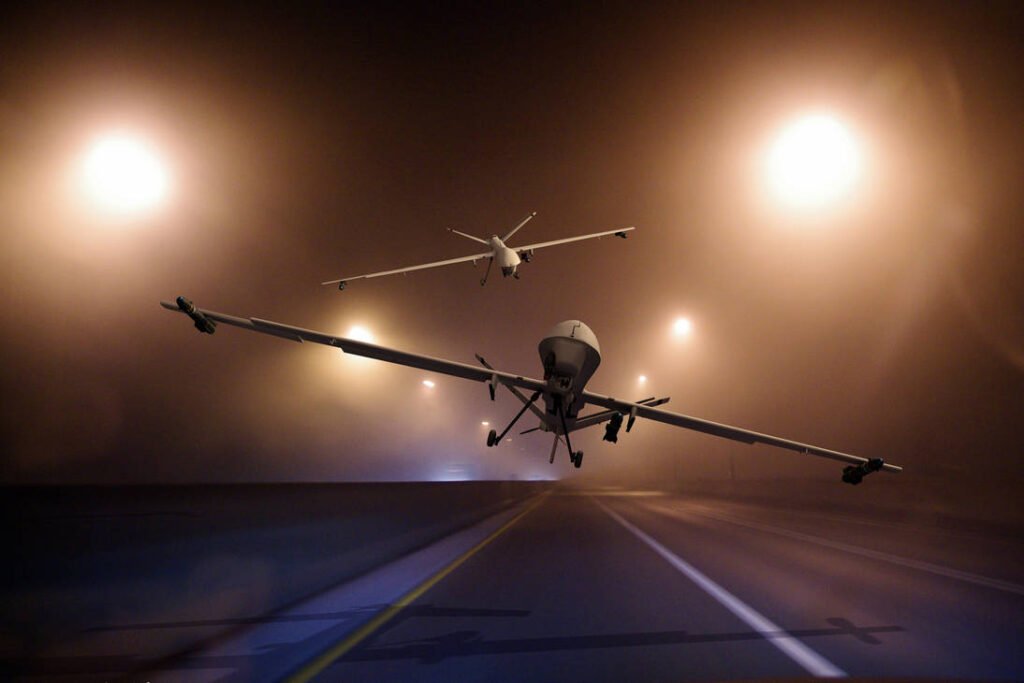
Ukrainian drones St. Petersburg — the Russian metropolis woke before dawn to the sharp hum of engines and the sudden flash of explosions tearing through the sky. A coordinated wave of Ukrainian UAVs crossed the region in the early hours, forcing Russian air defenses into a frantic, chaotic response. What unfolded was not just another episode in the drone war, but a moment that revealed how deeply the conflict has evolved and how far its reach now extends.
For years, St. Petersburg was seen as untouchable, a cultural capital far removed from the front lines. Yet the attack shattered that illusion in minutes. Russian officials described the incident as a “large‑scale aerial assault,” while state media circulated images of smoke rising from the outskirts and fragments of intercepted drones scattered across the streets. Most UAVs were reportedly neutralized, but the message was unmistakable: distance is no longer a shield.
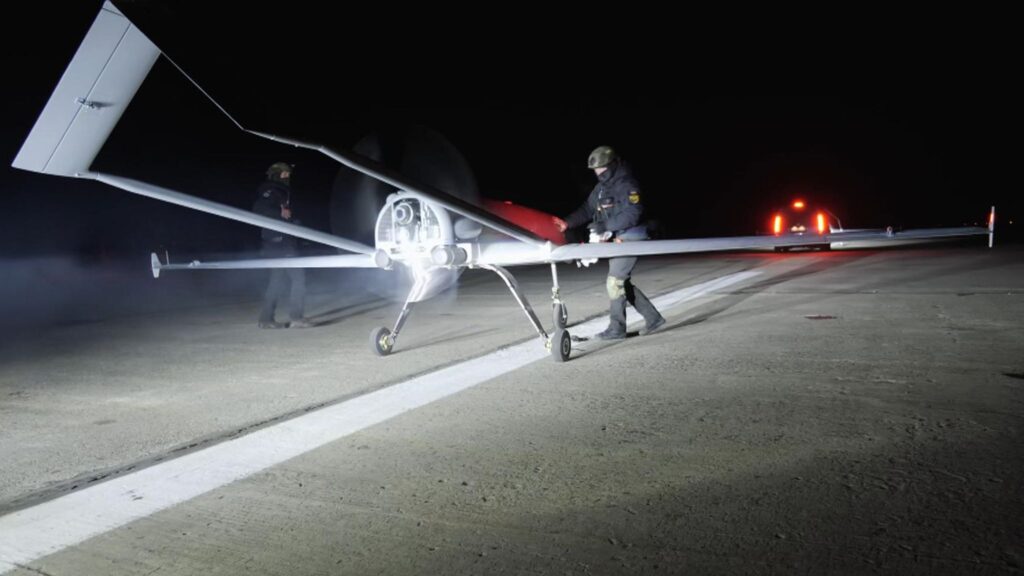
The Kremlin condemned the strike as an act of terrorism, maintaining its usual rhetoric, while Kyiv avoided direct comment. Still, analysts across Europe and the United States agree on one point: Ukraine has intensified its use of long‑range drones to hit military, logistical, and symbolic targets deep inside Russia. These operations are designed not only to disrupt infrastructure, but to erode Moscow’s sense of control and expose weaknesses in its defensive network.
St. Petersburg is more than a city; it is a symbol. It hosts major ports, industrial hubs, and strategic facilities. An attack on such a place carries psychological weight. It tells the Russian public that the war is no longer something happening “elsewhere.” It is overhead, audible, visible, impossible to ignore.
Residents described a night of sirens, detonations, and the crackle of anti‑aircraft fire echoing between buildings. Authorities urged calm, insisting that the situation was under control, but the tension remained palpable. The strike has already sparked debate inside Russia about the effectiveness of its air‑defense systems, especially in major cities far from the Ukrainian border.
This incident marks more than a tactical moment; it signals a shift in the nature of modern warfare. The battlefield is no longer confined to trenches and armored vehicles. It now stretches across hundreds of kilometers, carried by small, silent machines capable of slipping through the cracks of even the most sophisticated defense systems.
The attack on St. Petersburg is a reminder that the sky has become the true frontline of the twenty‑first century — unpredictable, technological, and increasingly decisive. And as the conflict continues to evolve, cities once considered safe may find themselves at the center of a new kind of war, one fought not by armies on the ground, but by shadows moving through the air.