The Hubble Space Telescope Has Revealed Over 100 Billion Galaxies
Hubble Space Telescope has revealed an astonishing number of galaxies, with estimates now suggesting that it has observed over 100
Read More
Gaze upward into the quiet infinity of the night sky to explore distant star clusters, wandering exoplanets, glowing nebulae, and breathtaking cosmic events. Here, we follow the lens of powerful ground-based observatories and orbiting space telescopes as they map the universe and capture light from ancient galaxies. Whether you are captivated by planetary alignments, meteor showers, solar dynamics, or the search for habitable worlds beyond our solar system, this category brings the majestic grandeur and silent rhythms of the cosmos closer to home.
Hubble Space Telescope has revealed an astonishing number of galaxies, with estimates now suggesting that it has observed over 100
Read More
Yes, the largest volcano in the solar system is on Mars, and it’s called Olympus Mons. This colossal volcano
Read More
Yes, it’s true—there are more stars in the universe than there are grains of sand on all the Earth’s beaches.
Read More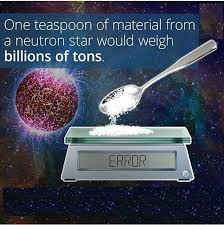
Yes, neutron stars are indeed incredibly dense, so much so that a single teaspoon of their material would weigh
Read More
Yes, there is a galactic cannibal in our universe, and it refers to the phenomenon where one galaxy collides with
Read More
Yes, there is a planet made of diamonds—or at least, a planet believed to be composed of large amounts
Read More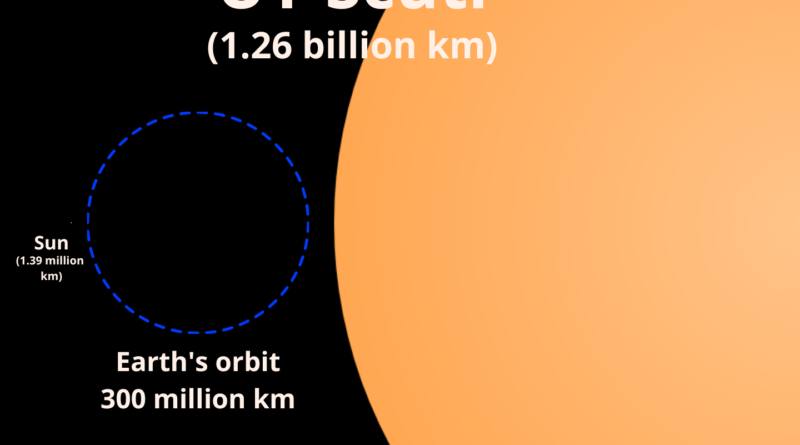
Yes, the largest known star, UY Scuti, is indeed so massive that it is larger than the orbit of Saturn
Read More
Yes, a day on Venus is indeed longer than a year on the planet, which is a fascinating aspect
Read More
In a groundbreaking achievement, astronomers have obtained the first detailed image of a dying star beyond our Milky Way galaxy.
Read More
On November 25, 2024, a remarkable astronomical event captivated observers across Ireland as a brilliant fireball illuminated the night
Read More