
Philippines Earthquake 2026 Tragic Impact: A Powerful 7.8 Quake Devastates the Region
Philippines earthquake 2026 is the phrase that now defines one of the most destructive seismic events to hit the archipelago in recent years. A massive 7.8‑magnitude quake struck the country earlier today, leaving at least 32 people dead and dozens more injured as buildings collapsed, roads cracked open, and entire communities were thrown into chaos. The tremor hit without warning, shaking cities and rural towns alike, and sending thousands of residents fleeing into the streets as powerful aftershocks continued to rattle the region.
The epicenter of the Philippines earthquake 2026 was located in the southern part of the country, an area long known for its vulnerability due to the nation’s position along the Pacific Ring of Fire. Local authorities reported that several towns near the epicenter suffered catastrophic damage, with older structures collapsing instantly and modern buildings sustaining severe structural fractures. Communication lines were disrupted, making it difficult for emergency responders to assess the full extent of the devastation.
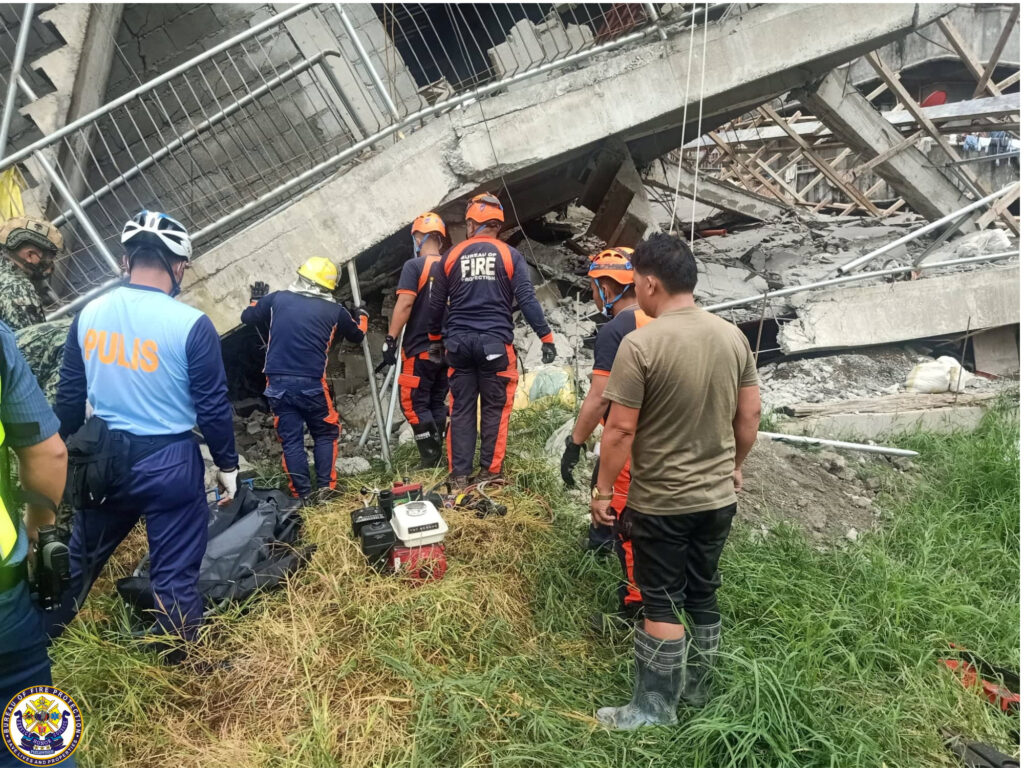
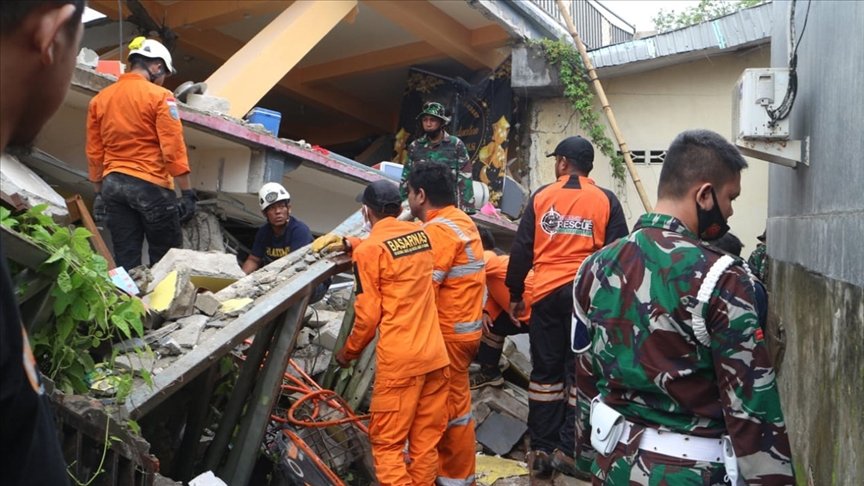
Rescue teams were deployed within minutes, but their work quickly became a race against time. In several affected areas, emergency workers sifted through rubble with bare hands, searching for survivors trapped beneath collapsed homes and commercial buildings. Hospitals, already strained by limited resources, were overwhelmed by the influx of injured residents. Medical staff set up makeshift triage zones outside facilities, treating patients under tents as they awaited reinforcements from neighboring provinces.
President Ferdinand Marcos Jr. addressed the nation shortly after the quake, assuring citizens that the government was mobilizing all available resources. He confirmed that the military had been deployed to assist with rescue operations and that emergency funds were being released to support local authorities. International organizations, including the Red Cross and several Asia‑Pacific disaster response teams, expressed readiness to provide assistance if requested.
Witnesses described scenes of terror as the ground shook violently for what felt like an eternity. In major cities, office workers evacuated high‑rise buildings, while in rural areas families gathered in open fields, afraid to return indoors. The tremor was strong enough to be felt hundreds of kilometers away, prompting temporary shutdowns of airports, bridges, and power plants as engineers conducted safety inspections.
Seismologists warned that aftershocks from the Philippines earthquake 2026 could continue for days, some potentially strong enough to cause additional damage. Authorities urged residents to stay away from weakened structures and to prepare for possible disruptions to water and electricity services. While no tsunami alert was issued, coastal communities remained on high alert as a precaution.
As night fell, the scale of the disaster became increasingly clear. Entire neighborhoods were left without power, and emergency shelters began filling with families who had lost their homes or were too afraid to return. Volunteers distributed food, water, and blankets, while local officials coordinated the relocation of residents from high‑risk zones.
The Philippines earthquake 2026 has once again highlighted the country’s vulnerability to natural disasters. Despite decades of preparedness campaigns and infrastructure improvements, the sheer force of the quake exposed weaknesses in building standards and emergency response capabilities. Experts noted that many of the collapsed structures were older buildings that had not been retrofitted to withstand major seismic events.
Yet amid the devastation, stories of resilience emerged. Neighbors worked together to rescue trapped residents, strangers offered shelter to displaced families, and local communities mobilized to support one another. The spirit of solidarity, so often seen in the Philippines during times of crisis, became a source of strength as the nation confronted the aftermath of the disaster.
As rescue operations continue, the coming days will be crucial. Authorities must assess the full extent of the damage, restore essential services, and provide support to the thousands affected. The Philippines earthquake 2026 will likely be remembered as a defining moment — a reminder of the country’s fragility, but also of its resilience in the face of overwhelming adversity.