Apple New Siri Revolution: A Powerful Step Into the AI Future
Apple new Siri is more than a product update; it represents Apple’s attempt to redefine its role in the rapidly evolving world of artificial intelligence. Some announcements feel like routine updates, while others mark the beginning of a new phase. This year’s Worldwide Developers Conference clearly belongs to the latter category, as Apple used the stage to show how it plans to regain momentum in a sector that has accelerated more in the past two years than in the previous decade.
For Apple, the unveiling of the Apple new Siri initiative is not just a technical milestone but a strategic repositioning. Siri was once the pioneering voice assistant that introduced millions of users to conversational technology, yet it gradually lost ground as generative AI reshaped expectations. The new direction signals Apple’s intention to rebuild trust and relevance in a landscape dominated by ChatGPT, Gemini, and Copilot.
The company emphasized that the Apple new Siri experience is designed to be more contextual, more personal, and more capable of understanding the nuances of everyday interactions. Instead of responding to isolated commands, the assistant aims to interpret situations, preferences, and user intent. This shift reflects Apple’s broader ambition to integrate AI into the fabric of its ecosystem without compromising privacy or control.
One of the most discussed aspects of the Apple new Siri strategy is the selective use of external models. Apple confirmed that ChatGPT will be available for certain advanced tasks, and industry reports suggest that Gemini has also been evaluated. However, Apple made it clear that these integrations do not replace its own AI foundation. The assistant remains built on Apple’s internal technologies, with external models serving as optional extensions when users need generative capabilities beyond the device.
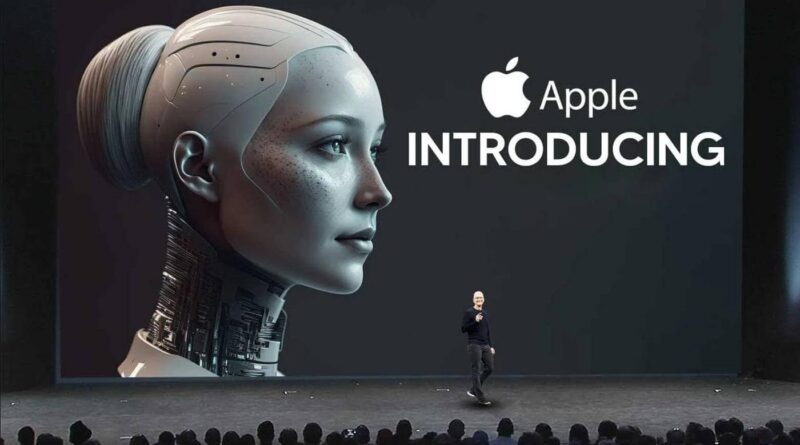
Tim Cook’s presentation underscored the importance of this transition. He framed the Apple new Siri rollout as a long‑term evolution rather than an overnight transformation. Many features will arrive gradually, reflecting the complexity of building an assistant that balances intelligence, reliability, and privacy. Apple’s approach contrasts with the aggressive pace of competitors, but it aligns with the company’s philosophy: AI should enhance the user experience without overwhelming it.
The competitive landscape makes this moment even more significant. OpenAI continues to push the boundaries of conversational intelligence, Google is expanding Gemini across its ecosystem, and Microsoft has positioned Copilot as a cross‑platform AI companion. In this context, the Apple new Siri project must prove that it can deliver not only innovation but consistency. Users expect an assistant that understands natural language, handles complex requests, and integrates seamlessly with apps and services.
What emerges from this WWDC is a clear message: the Apple new Siri initiative is the company’s most ambitious attempt to reclaim its place in the AI era. Apple is not trying to outshine competitors with flashy demonstrations. Instead, it is building an intelligence layer that evolves steadily, respects user data, and strengthens the coherence of the Apple ecosystem.
The coming months will determine how quickly this vision becomes reality. The Apple new Siri rollout marks a crucial step, but its success will depend on Apple’s ability to deliver updates at a sustained pace and meet the expectations of users who have grown accustomed to rapid AI innovation. Whether this moment becomes a turning point or a missed opportunity will depend on execution — and on how effectively Apple can translate its strategy into everyday usefulness.
Beyond the technical details, the broader implications of the Apple new Siri initiative reveal how the company envisions the future of human–device interaction. Apple is positioning its assistant not as a standalone chatbot but as a foundational layer of the entire ecosystem, capable of quietly enhancing productivity, creativity, and daily routines. This approach reflects Apple’s belief that AI should disappear into the background rather than dominate the foreground. Instead of competing to deliver the most dramatic demonstrations, the company is focusing on consistency, trust, and long‑term integration. If successful, this strategy could redefine expectations for what an intelligent assistant should be in an era increasingly shaped by generative AI.