
The Universal Pneumonia Vaccine Could Mark a Significant Turning Point in Global Health
The universal pneumonia vaccine is no longer a distant scientific ambition but a concrete possibility emerging from one of the most important medical breakthroughs of 2026.
Pneumonia is one of those ancient stories that humanity keeps carrying through the centuries. It has crossed empires, wars, industrial revolutions and scientific revolutions, always remaining there, silent, ready to strike the most vulnerable. Every year, according to the World Health Organization, pneumonia still kills 2.5 million people, including nearly 700,000 children under the age of five. These numbers do not belong to the past; they belong to our present. They remind us how far we still are from defeating this disease.
Yet in 2026, something changed. For the first time, a group of researchers identified a concrete path toward what has long seemed impossible: a universal vaccine against pneumonia, capable of protecting against all strains of Streptococcus pneumoniae, the bacterium responsible for the deadliest form of the disease.
The announcement comes from an international consortium led by Harvard Medical School and the Max Planck Institute, which published its results in Nature Microbiology in March 2026. This is not a sensationalistic claim, nor a vague promise. It is a solid scientific achievement built on years of research, and it may radically transform preventive medicine.
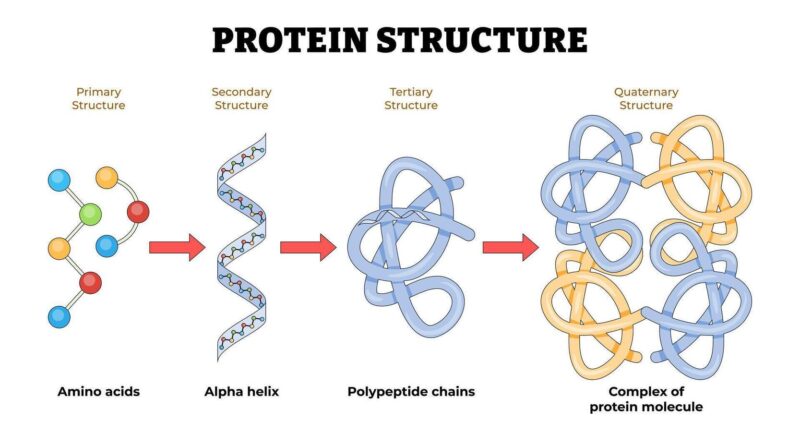
The key to the discovery is surprisingly simple: researchers identified a group of proteins shared by all strains of the bacterium, regardless of their genetic variation. After decades of attempts, someone finally found the common weak point of an enemy that constantly changes shape.
To understand the importance of this breakthrough, it’s essential to remember that today’s pneumonia vaccines are effective but not universal. Current vaccines — such as PCV13, PCV15 and PCV20 — protect against a limited number of serotypes. The problem is that Streptococcus pneumoniae has more than 100, and it can evolve, change its outer capsule, and escape immunity. It’s a constant race: the vaccine is updated, the bacterium changes; a new serotype is added, new ones emerge.
The 2026 discovery breaks this cycle. The proteins identified do not belong to the outer capsule — the variable part of the bacterium — but to its functional core, the part that cannot change without compromising survival. It is like striking the heart of the system, not its armor.
Researchers demonstrated that these proteins, provisionally named Pneumo-Shared Antigens (PSA), are present in all strains analyzed, including the rarest and most aggressive ones. They also verified that the human immune system reacts strongly and specifically to these proteins, producing antibodies capable of neutralizing the bacterium before it colonizes the lungs.
The next step was even more surprising: in animal models, an experimental vaccine based on these proteins showed over 90% protection against strains that had never been included in traditional vaccines. If confirmed in clinical trials, this result could revolutionize pneumonia prevention worldwide.
But the story doesn’t end here. Pneumonia is not just a problem in low-income countries. It is a global threat. In the United States, according to the CDC, pneumonia causes 1.5 million hospitalizations and more than 50,000 deaths every year. In Europe, it is one of the leading causes of death among the elderly. In Asia, it is a constant danger for children. And in developing nations, it is a daily tragedy.
A universal vaccine would change everything. It would not only reduce mortality but also eliminate the need for continuous vaccine updates, lower costs, simplify distribution, and enable faster and more effective immunization campaigns. It would be a leap comparable to the introduction of the measles vaccine or the discovery of antibiotics.
Of course, the road ahead is still long. Human clinical trials will begin in 2027, and at least three phases will be required to assess safety, efficacy and duration of protection. But the direction is clear. For the first time, science has a precise map leading to a universal vaccine.
There is another element that makes this discovery even more significant: climate change. Heatwaves, pollution and the spread of new pathogens are increasing population vulnerability. Respiratory diseases are rising. Pneumonia, in particular, is becoming more frequent in overcrowded cities and in countries with fragile healthcare systems. A universal vaccine would be a crucial shield in a world that is changing rapidly.
The scientific community welcomed the discovery with enthusiasm but also with caution. Medical history is full of promises that were never fulfilled. But this time, something feels different. The data are solid. The proteins identified are real, measurable, present in all strains. The immune mechanism is clear. The technology to produce the vaccine already exists. This is not a dream — it is a concrete project.
And while laboratories continue their work, the world is watching. A universal pneumonia vaccine would not only be a scientific victory. It would be a human victory. A victory for the children who die silently today, for the elderly who struggle to breathe, for families living in places where hospitals are far away and treatments are scarce.
The year 2026 may be remembered as the moment when we finally found the key to defeating one of the oldest and deadliest diseases in history. It is not yet the end of pneumonia. But it is the beginning of the end.
At the frontier of scientific innovation, Zemeghub continues to explore the discoveries that are reshaping medicine, physics and our understanding of the universe. If you want to dive deeper into the breakthroughs defining 2026, here are three stories from our Science & Discovery archive that expand the journey even further.
Personalized mRNA Cancer Vaccines — The Dawn of Precision Oncology A clinical look at the medical tools behind Personalized mRNA Cancer Vaccines, the new frontier of individualized cancer treatment. Published on 1 July 2026, this feature examines how mRNA technology is being transformed into a patient‑specific weapon against tumor mutations.
The Birth of the Nuclear Clock — Thorium‑229 and the New Era of Precision Timekeeping Inside the laboratory, researchers have measured the unique thorium‑229 nuclear transition with unprecedented accuracy, opening the door to the world’s first nuclear clock. Published on 14 June 2026, this breakthrough could redefine physics, dark‑matter research and the way humanity measures time itself.
Immune System Memory — Medicine’s New Frontier in 2026 A vivid exploration of how the human body interacts with pathogens and internal biological signals to build long‑term defensive responses. Published on 9 June 2026, this article reveals how immune memory is becoming one of the most powerful concepts in modern medicine.
