
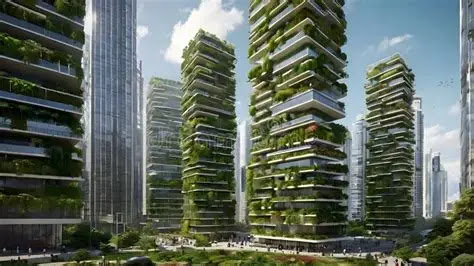
🏢 Vertical Living: The Rise of High-Tech Skyscrapers
As cities grow denser and land becomes scarcer, the skyline is becoming the new frontier of urban innovation. Skyscrapers are no longer just symbols of wealth and ambition—they’re evolving into intelligent, sustainable habitats that redefine how we live, work, and interact in urban spaces.
Why Vertical Living Is Gaining Momentum
Urban populations are booming, and horizontal expansion is often limited by geography, infrastructure, or environmental concerns. Vertical living offers a solution:
-
Efficient land use
High-rise buildings accommodate more people and businesses per square meter, reducing urban sprawl. -
Integrated lifestyles
Modern skyscrapers combine residential, commercial, and recreational spaces, creating self-contained vertical communities. -
Reduced commute times
Living and working in the same building or block minimizes traffic congestion and lowers carbon emissions.
Smart Features in Modern Skyscrapers
Today’s high-tech towers are designed with intelligence and sustainability at their core:
-
Automated climate control
AI systems adjust lighting, temperature, and ventilation based on occupancy and weather conditions. -
Energy-efficient façades
Glass panels with solar coatings and dynamic shading reduce heat gain and energy consumption. -
Vertical gardens and green roofs
These features improve air quality, regulate temperature, and offer residents a touch of nature in the sky. -
Touchless technology
Elevators, doors, and lighting systems respond to voice commands or mobile apps, enhancing hygiene and convenience.
Human-Centric Design
Despite their scale, the best skyscrapers prioritize comfort, wellness, and community:
-
Natural light and open spaces
Floor plans are designed to maximize daylight and airflow, reducing reliance on artificial lighting. -
Shared amenities
Gyms, lounges, co-working spaces, and rooftop gardens foster social interaction and improve quality of life. -
Noise reduction and privacy
Advanced materials and layouts minimize sound transmission, creating peaceful environments even in bustling cities.
Sustainability at New Heights
Vertical living can be eco-friendly when paired with smart design and responsible construction:
-
Water recycling systems
Greywater is filtered and reused for irrigation and sanitation, reducing waste. -
Smart waste management
Sensors track waste levels and optimize collection schedules, keeping buildings clean and efficient. -
Low-carbon construction materials
Innovations in concrete, steel, and insulation reduce the environmental footprint of tall buildings.
High-tech skyscrapers are more than architectural marvels—they’re blueprints for the future of urban life. By combining vertical efficiency with smart systems and sustainable design, cities can grow upward without compromising livability. As technology continues to evolve, so too will the skyline—becoming not just taller, but wiser