
🌍 Greenland’s Climate Shift: From Ice to Opportunity
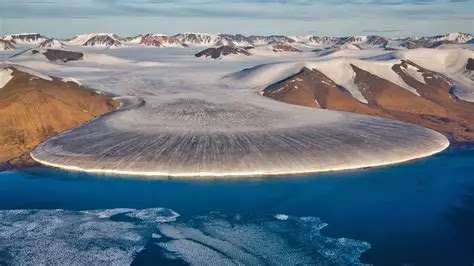
Greenland, long known for its vast ice sheets and remote beauty, is rapidly emerging as a focal point in global climate and economic discussions. As temperatures rise and ice melts at unprecedented rates, the island is undergoing a transformation that’s both alarming and full of potential.
Melting Ice, Rising Stakes
The Arctic is warming nearly four times faster than the rest of the planet. Greenland’s ice sheet, which holds enough frozen water to raise global sea levels by over seven meters, is losing mass at an accelerating pace. This environmental shift is triggering global concern—but also opening doors to new industries.
Economic Opportunities Beneath the Ice
As the ice recedes, Greenland is revealing untapped resources:
-
Rare Earth Minerals: Deposits of minerals essential for electronics and green technologies are becoming more accessible.
-
Fishing Expansion: Warmer waters are changing fish migration patterns, boosting Greenland’s fishing industry.
-
Renewable Energy: Hydropower potential is increasing, offering a clean energy source for local use and export.
These developments are attracting international interest, particularly from countries seeking alternatives to China’s dominance in rare earth supply chains.
Political and Environmental Crossroads
Greenland’s government faces a delicate balancing act. While economic growth is welcome, there’s growing concern about environmental degradation and foreign influence. The island’s semi-autonomous status under Denmark adds complexity to decisions about resource management and international partnerships.
A Symbol of Global Change
Greenland is no longer just a remote outpost—it’s a symbol of how climate change reshapes geopolitics, economics, and ecosystems. Its story is a reminder that the consequences of warming are not just environmental but deeply intertwined with human ambition and global strategy.