
Gaza Conflict Humanitarian Crisis — The Humanitarian Crisis and Political Tensions
Gaza Conflict Humanitarian Crisis has reached a critical point, with devastating humanitarian consequences and increasing international pressure for a ceasefire as civilians face escalating violence and severe shortages.
The ongoing conflict in Gaza has reached a critical point, with devastating humanitarian consequences and increasing international pressure for a ceasefire. As the war between Israel and Hamas continues, civilians remain trapped in a worsening crisis, facing shortages of essential supplies and escalating violence.
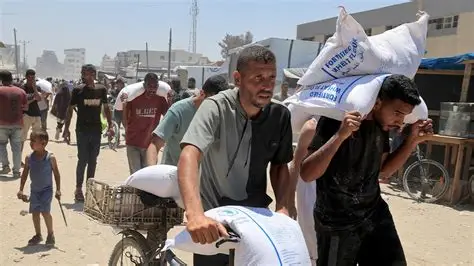
.jpg "Gaza Conflict Humanitarian Crisis — civilians fleeing amid escalating violence")
Humanitarian Crisis Deepens
The humanitarian situation in Gaza has deteriorated significantly, with widespread destruction and severe shortages of food, water, and medical supplies. Reports indicate that nearly all homes in Gaza have been damaged or destroyed, leaving thousands of families displaced. The blockade on humanitarian aid has exacerbated the crisis, leading to warnings of a potential famine.
Aid organizations are struggling to distribute food and medical supplies due to security concerns. Some humanitarian groups have temporarily suspended operations to reassess safety measures after multiple incidents of violence near aid distribution centers. Civilians attempting to access aid have faced dangerous conditions, with reports of attacks near relief sites.
International Diplomatic Efforts
The United Nations Security Council is preparing to vote on a resolution demanding an immediate and unconditional ceasefire in Gaza. The resolution also calls for the release of hostages and the lifting of restrictions on humanitarian aid. However, the success of this resolution remains uncertain, as it requires approval from key global powers.
Escalating Violence and Political Divisions
The conflict has led to rising tensions worldwide, with incidents of violence linked to the war occurring outside the Middle East. In some regions, protests and demonstrations have intensified, reflecting the deep divisions surrounding the crisis.
Meanwhile, internal divisions within Israel are growing as protests against the war increase. Some Israeli activists and military personnel have openly criticized the government’s handling of the conflict, arguing that the war serves political interests rather than security needs. Despite these protests, a significant portion of the Israeli population continues to support military action.
The Gaza conflict remains one of the most pressing humanitarian and political crises in the world today. As international leaders push for a ceasefire, the situation on the ground continues to worsen. The coming days will be crucial in determining whether diplomatic efforts can bring an end to the violence or if the war will persist, further deepening the humanitarian catastrophe.
As the days pass, the Gaza Conflict Humanitarian Crisis continues to expose the fragility of a region where political decisions and military strategies collide with the daily struggle for survival. Families who once lived ordinary lives now navigate a landscape of ruins, searching for water, medicine, and a sense of safety that no longer exists. Hospitals operate beyond capacity, relying on dwindling supplies while medical teams work under constant threat. Children, who make up a large portion of the displaced population, face trauma that will shape an entire generation long after the bombs fall silent.
International observers warn that the situation is approaching an irreversible point, where the collapse of essential infrastructure could trigger a long‑term humanitarian disaster. Diplomats continue to negotiate, but each passing hour without a ceasefire deepens the suffering on the ground. The world watches, divided between political narratives and the undeniable reality of human loss.
In this moment, the future of Gaza hangs in a delicate balance. Whether the coming days bring relief or further devastation depends on decisions made far from the people who will bear their consequences. What remains clear is that the humanitarian crisis cannot be separated from the political tensions driving the conflict. Until a sustainable ceasefire is reached and unrestricted aid is allowed to flow, the people of Gaza will continue to endure one of the most severe humanitarian emergencies of our time.