
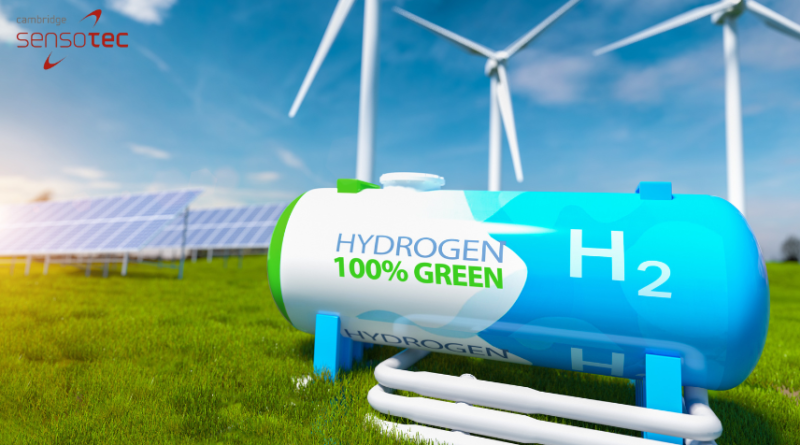
The Next Energy Breakthrough: A Revolutionary Fuel Poised to Eclipse Hydrogen

For years, hydrogen has been hailed as the future of clean energy—a powerful fuel source capable of reducing carbon emissions and transforming industries.
However, scientists and engineers have been quietly developing an alternative fuel that could surpass hydrogen in efficiency, accessibility, and sustainability.
This revolutionary discovery has the potential to reshape the energy landscape and accelerate the global transition toward cleaner solutions.
The Limitations of Hydrogen
Hydrogen fuel cells have been praised for their ability to generate electricity without producing harmful emissions. Yet, despite its promise, hydrogen comes with several challenges.
Producing hydrogen often requires large amounts of energy, and in many cases, it is still derived from fossil fuels rather than renewable sources.
Additionally, hydrogen storage and transportation are complex and costly due to its highly reactive nature.
These obstacles have slowed the widespread adoption of hydrogen fuel, leaving room for new energy solutions to emerge.
Scientists have been searching for alternative fuels that offer the same advantages as hydrogen—but with greater efficiency and fewer limitations.
A Game-Changing Fuel Emerges
In recent years, researchers have been developing a groundbreaking fuel that could rival and even eclipse hydrogen in the clean energy market.
This new energy source is derived from abundant, sustainable materials and offers superior energy density, meaning it can store and deliver more power per unit than hydrogen.
Unlike hydrogen, which requires specialized infrastructure for storage, this alternative fuel can be handled more safely and efficiently.
Its chemical stability allows for easier transportation, making it ideal for large-scale implementation across industries ranging from automotive to aviation.
One of the most promising aspects of this fuel is its production process. While hydrogen often depends on fossil fuel-based electrolysis, this innovative energy source can be produced through cleaner methods, minimizing environmental impact.
Additionally, it requires less energy input for manufacturing, making it a more sustainable and cost-effective option in the long run.
Applications and Impact
The introduction of this fuel could revolutionize industries that currently rely on hydrogen or fossil fuels. Automakers could design next-generation vehicles that offer greater range and efficiency without the need for costly hydrogen fuel stations.
Aviation and shipping industries, which are some of the largest carbon emitters, could adopt this fuel to significantly reduce their environmental footprint.
Perhaps one of the most exciting prospects is its potential for energy storage. Renewable energy sources like solar and wind often face challenges due to intermittency—meaning power isn’t always generated when demand is highest.
This new fuel could serve as a highly efficient energy storage solution, allowing excess renewable energy to be stored and used when needed, solving one of the biggest hurdles in the clean energy sector.
The Future of Sustainable Energy
As global leaders push for stronger climate action and cleaner energy solutions, the development of this revolutionary fuel could be a game-changer.
With lower production costs, easier handling, and higher energy efficiency, it has the potential to become the backbone of future energy systems.
The next few years will be crucial in determining how quickly this breakthrough can be scaled up for mainstream use.
If successful, this alternative fuel could eclipse hydrogen and become the defining energy source of a sustainable future, ushering in a new era of innovation and environmental responsibility.
Clean energy is no longer a distant dream—it’s rapidly evolving, bringing us closer to a world where sustainable fuel is not just an option but the standard.
This discovery could be the missing piece in the puzzle of energy transformation, paving the way for a greener, more efficient future.