
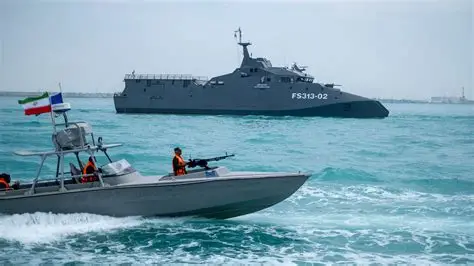
Middle East Crisis: A Region on Edge as Iranian Strikes Expand Across the Gulf
The Middle East has entered one of its most volatile phases in recent years, a moment defined by cascading missile strikes, rising civilian casualties, and a widening sense that the region’s fragile equilibrium is slipping away. In the latest escalation, Iranian missile and drone attacks have struck Kuwait, Qatar, the United Arab Emirates, and Israel, prompting swift U.S. military responses and pushing the region toward a dangerous new threshold.
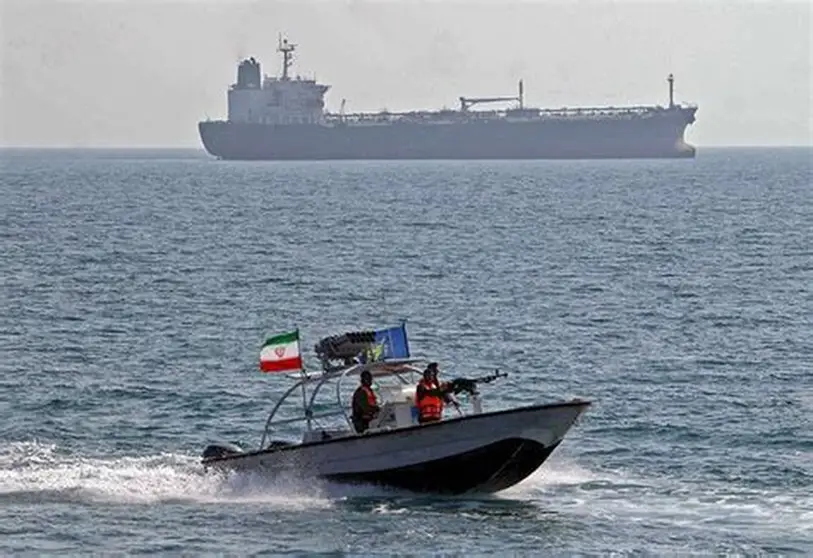
Intensifying Strikes Across the Gulf
Reports from Gulf governments describe a wave of Iranian projectiles targeting both military and civilian infrastructure. Kuwait intercepted dozens of drones aimed at oil installations and power stations, suffering fires and severe material damage across key energy facilities. Qatar, meanwhile, has endured hundreds of missiles and drones over recent weeks, many falling near airports, residential zones, and economic hubs.
The UAE has also faced incoming ballistic and cruise missiles, with debris injuring civilians and igniting fires at industrial sites. Airspace closures across multiple Gulf states underscore the scale of the threat and the fear that further strikes could overwhelm defenses.
Israel Under Heavy Fire
Israel continues to absorb some of the heaviest barrages. Multi‑wave missile and rocket salvos have targeted northern, central, and southern regions, striking population centers and military zones. Alerts have become a near‑constant reality, and civilian casualties are rising as shrapnel and direct hits reach urban areas.
U.S. Responses and Escalation Risks
The United States has responded with strikes on Iranian military infrastructure, including deep operations inside Iran. These actions follow earlier U.S.–Israeli attacks that Tehran claims violated its sovereignty and international law. Iran’s leadership has framed its retaliation as a direct response to foreign aggression, warning that any state hosting U.S. forces is now a legitimate target.
This dynamic has created a perilous feedback loop: U.S. strikes provoke Iranian retaliation, which in turn triggers further U.S. action. Each cycle expands the battlefield and increases the likelihood of miscalculation.
Civilian Toll and Humanitarian Impact
Civilian casualties are mounting across the region. In Bahrain, drone debris has injured residents and damaged homes. In Israel, falling shrapnel has killed and wounded civilians. In Iran, U.S. and Israeli strikes have caused significant loss of life, including children, according to local authorities. The humanitarian cost is rising in parallel with the military escalation, deepening the crisis for millions of people caught in the crossfire.
A Region at a Crossroads
The Middle East now stands at a crossroads where diplomacy struggles to keep pace with the speed of military escalation. The strikes have shaken the Gulf’s long‑cultivated image of stability, disrupted critical infrastructure, and heightened fears of a broader regional war. With multiple states now directly targeted and global powers deeply involved, the path forward is uncertain—and increasingly dangerous.